


Most american clarinetists searching for the perfect sound might be surprised to learn that just a few microscopic adjustments to their mouthpiece can reshape their entire playing experience. Professional mouthpiece refacing can unlock richer tones, better response, and new levels of comfort. With so much at stake, understanding the art and science behind refacing helps musicians make smarter choices about their instruments and avoid costly mistakes.
Table of Contents
- What Is Clarinet Mouthpiece Refacing?
- Common Types and Techniques Used
- How Refacing Impacts Sound and Playability
- Essential Tools and Step-by-Step Process
- Risks, Costs, and Common Mistakes
- Choosing a Qualified Refacing Specialist
Key Takeaways
| Point | Details |
|---|---|
| Mouthpiece Refacing | This technique reshapes clarinet mouthpieces to improve sound quality and playability, requiring specialized skills and precise tools. |
| Impact on Performance | Refacing modifies critical acoustic properties, impacting tone, response, and overall musical expression significantly. |
| Professional vs. Amateur | Professional refacing is safer, as amateur attempts can lead to irreversible damage and diminished sound quality. |
| Selecting a Specialist | Choose a qualified technician based on experience, acoustic knowledge, and a proven track record to ensure optimal results. |
What Is Clarinet Mouthpiece Refacing?
Clarinetists seeking to optimize their instrument’s sound quality and performance often turn to a specialized technique called mouthpiece refacing. This intricate process involves carefully reshaping the tip and rails of a clarinet mouthpiece to enhance its acoustic properties, tonal response, and overall playability. Think of refacing like a precision tune-up for your mouthpiece, where minute adjustments can dramatically transform your clarinet’s sound.
Mouthpiece refacing is a meticulous craft that requires advanced technical skills and specialized knowledge. A professional refaces by carefully removing microscopic amounts of material from the mouthpiece’s tip and side rails using precise tools and techniques. The goal is to create an optimal tip opening, symmetry, and balanced response across different playing registers.
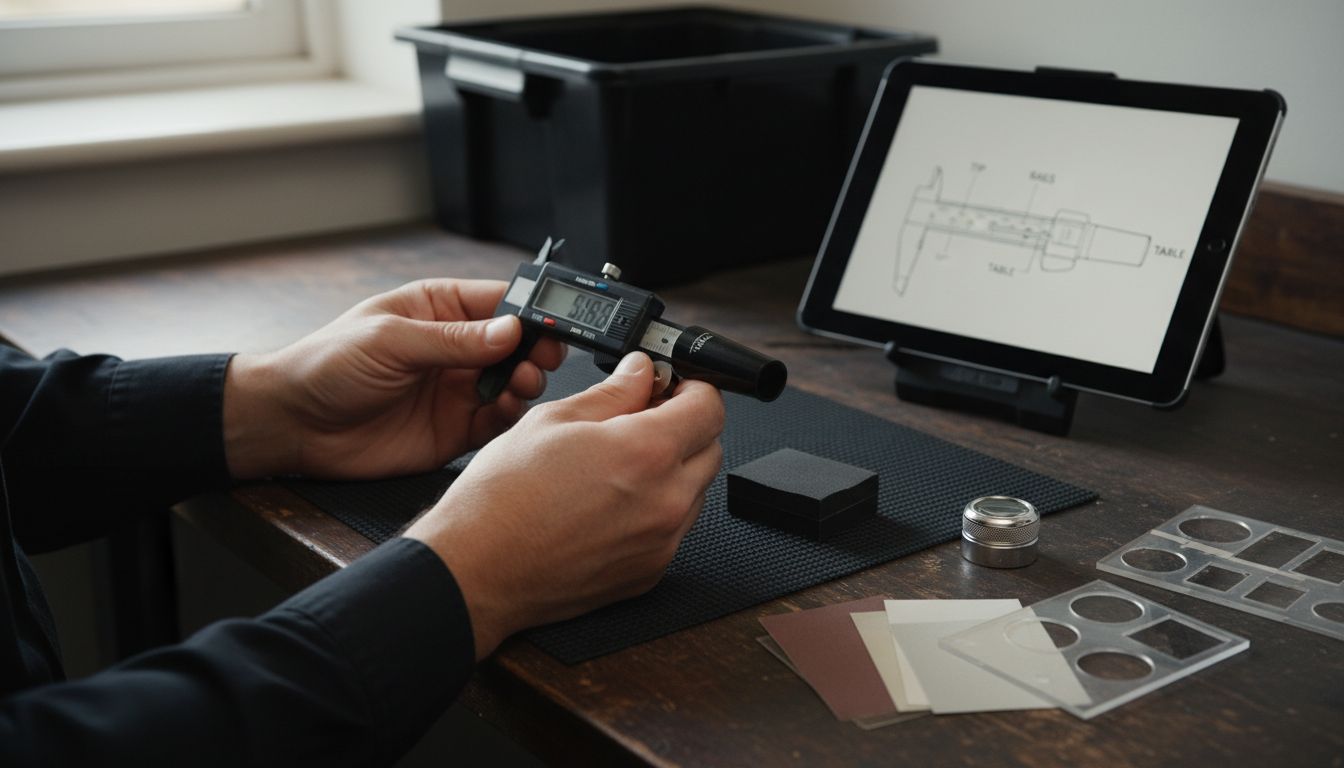 Skilled technicians can adjust the mouthpiece’s characteristics to suit a musician’s specific playing style, embouchure, and tonal preferences.
The refacing process typically involves several critical steps:
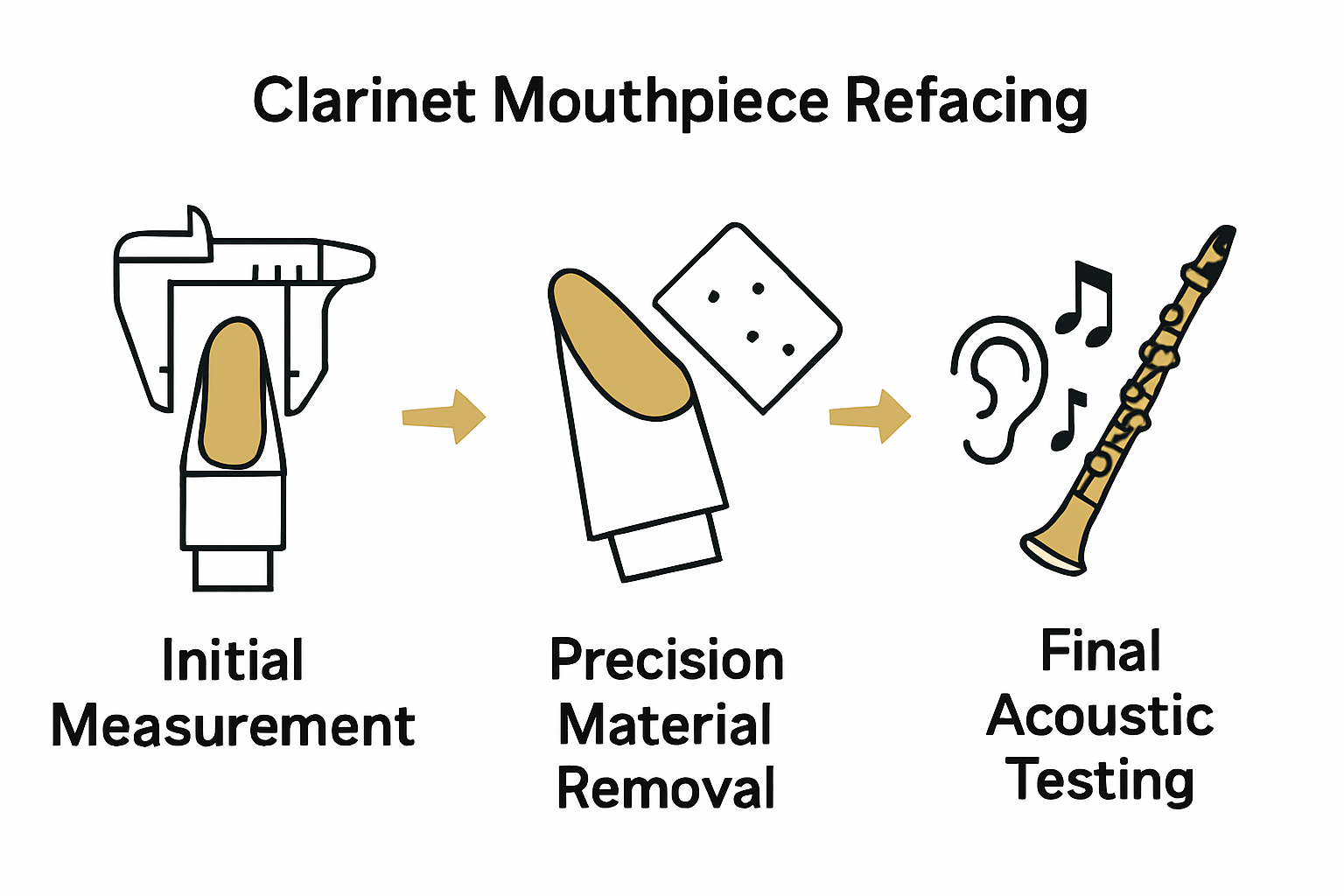
- Measuring the existing mouthpiece’s tip opening and rail symmetry
- Carefully sanding and reshaping the tip and side rails
- Fine-tuning the table and tip alignment
- Ensuring consistent material removal and geometric precision
- Final testing and adjustment of acoustic properties
While some musicians might attempt refacing themselves, professional refacing services offer the most reliable results. Professional technicians understand the microscopic tolerances required to transform a standard mouthpiece into a precision-crafted instrument component that can significantly enhance a clarinetist’s sound quality and playing experience.
Common Types and Techniques Used
Clarinetists have developed several specialized refacing techniques that address different performance needs and playing styles. The most common approaches include tip modification, rail adjustment, and table reshaping. Each technique targets specific aspects of the mouthpiece’s geometry to optimize sound quality, response, and overall playing experience.
Tip modification is perhaps the most delicate refacing technique. Technicians carefully adjust the mouthpiece’s tip by microscopically removing material to change its response characteristics. Tip facing techniques can be broadly categorized into three primary methods:
- Symmetrical tip refinement
- Asymmetrical tip adjustment
- Precision tip contouring
Rail adjustment represents another critical refacing approach. Professional technicians meticulously reshape the mouthpiece’s side rails to improve air flow, control, and tonal consistency. This technique requires extraordinary precision, as even a fraction of a millimeter can significantly impact the mouthpiece’s acoustic properties. Professional refacing services excel at performing these intricate rail modifications, ensuring each adjustment enhances rather than compromises the mouthpiece’s fundamental characteristics.
Advanced refacing techniques also include table reshaping and chamber modification. These methods involve adjusting the mouthpiece’s internal geometry to fine-tune resonance, projection, and tonal complexity. Skilled technicians use specialized tools like precision sanders, microscopic measuring equipment, and acoustic testing devices to achieve remarkable levels of customization. The ultimate goal remains consistent: transforming a standard mouthpiece into a precision instrument that perfectly matches a musician’s unique playing style and tonal preferences.
How Refacing Impacts Sound and Playability
Refacing a clarinet mouthpiece is not just a technical procedure but a transformative process that fundamentally alters an instrument’s sonic characteristics and playing dynamics. Sound transformation occurs through precise microscopic modifications that can dramatically change how air moves through the mouthpiece, ultimately affecting tone, projection, and musical expression. Professional musicians recognize that even minimal adjustments can produce significant improvements in their instrument’s overall performance.
The impact of refacing extends across multiple critical sound dimensions. Players typically experience changes in:
- Tonal brightness and darkness
- Reed responsiveness
- Dynamic range
- Intonation stability
- Articulation precision
- Harmonic complexity
Microscopic modifications to the mouthpiece’s tip, rails, and table create nuanced changes in acoustic energy transmission. Skilled technicians can adjust these parameters to compensate for individual embouchure variations, reed characteristics, and personal playing styles. Professional refacing services understand how to make these intricate adjustments that transform an average mouthpiece into a precision instrument tailored to a specific musician’s needs.
Ultimately, refacing represents a sophisticated approach to sound optimization. By carefully reshaping critical geometric elements, technicians can unlock enhanced musical potential, helping clarinetists achieve greater expressiveness, tonal clarity, and technical control. The process is part science, part art form – requiring deep understanding of acoustics, materials, and the subtle interactions between musician, mouthpiece, and instrument.
Essential Tools and Step-by-Step Process
Professional clarinet mouthpiece refacing requires a precise collection of specialized tools and meticulous attention to detail. The process demands precision instruments that allow microscopic measurements and controlled material removal. Essential equipment includes digital calipers, precision sanders, specialized facing tools, various grits of sandpaper, optical measurement devices, and illuminated magnification equipment.
According to
YouTube, the refacing process involves a systematic approach with several critical stages:
- Initial mouthpiece inspection and measurement
- Identifying specific areas requiring modification
- Carefully adjusting tip opening and facing curve
- Modifying side rails for improved response
- Final precision testing and validation
The most critical tools for successful mouthpiece refacing include:
- Digital precision calipers (accurate to 0.01mm)
- Professional-grade microscope or jeweler’s loupe
- Various fine-grit sandpapers (400 to 2000 grit)
- Precision hand sanding blocks
- Optical comparator for geometric validation
- Specialized facing curve templates
Professional refacing services utilize these advanced tools to ensure each mouthpiece receives expert-level modification. The process requires not just technical skill, but an almost artistic understanding of acoustic engineering, transforming a standard mouthpiece into a precision musical instrument tailored to individual playing characteristics.
Risks, Costs, and Common Mistakes
Clarinetists contemplating mouthpiece refacing must carefully weigh the potential risks and financial implications of this precision modification process. Professional refacing is not a trivial investment, with costs typically ranging from $75 to $250 depending on the complexity of the work and the technician’s expertise. Amateur attempts can lead to irreversible damage that might render an expensive mouthpiece completely unusable.
The most frequent mistakes musicians encounter during refacing include:
- Removing too much material at the tip
- Failing to maintain symmetrical rail geometry
- Inconsistent sanding pressure
- Neglecting precise measurement techniques
- Using inappropriate or low-quality sandpaper
- Attempting refacing without proper magnification
Financial considerations extend beyond the immediate refacing cost. Professional refacing services represent an investment in instrument performance, but musicians must carefully evaluate their specific needs. Risks are substantial: an inexperienced approach can destroy a mouthpiece worth hundreds or even thousands of dollars. Professional technicians minimize these risks through years of specialized training and microscopic precision techniques.
Ultimately, the decision to pursue refacing requires honest self-assessment. Amateur musicians might be better served by professional services, while experienced technicians can potentially develop the skills to perform minor modifications. The potential for improved sound must be carefully balanced against the significant financial and technical risks inherent in this delicate acoustic modification process.
Choosing a Qualified Refacing Specialist
Selecting a professional mouthpiece refacing specialist requires careful consideration and thorough research. The ideal technician combines advanced technical skills, specialized acoustic knowledge, and extensive experience working with clarinet mouthpieces. Musicians must look beyond basic credentials and evaluate a specialist’s comprehensive understanding of mouthpiece mechanics, acoustic engineering, and precision modification techniques.
Key qualifications to seek in a refacing specialist include:
- Documented experience with multiple mouthpiece materials
- Advanced optical measurement capabilities
- Proven track record of successful modifications
- Deep understanding of acoustic principles
- Recommendations from professional clarinetists
- Transparent documentation of modification processes
- Ability to customize work for specific playing styles
The evaluation process should involve comprehensive due diligence. Professional refacing services typically offer consultation opportunities where musicians can discuss their specific sound objectives, playing techniques, and modification requirements. Experienced specialists will ask detailed questions about your current instrument, performance goals, and tonal preferences, demonstrating their commitment to personalized acoustic optimization.
Ultimately, choosing a refacing specialist is about finding a true acoustic craftsman. The right technician understands that mouthpiece modification is not just a technical procedure, but an art form that requires precision, musical sensitivity, and a deep understanding of how microscopic changes can dramatically transform an instrument’s voice. Clarinetists should view this selection process as an investment in their musical expression and sound quality.
Elevate Your Clarinet Sound with Expert Refacing and Premium Gear
If you are seeking to overcome the challenges of achieving perfect tonal clarity, responsiveness, and dynamic control in your clarinet mouthpiece, you are not alone. This article highlights how precision refacing transforms your instrument but also reveals the risks and technical demands involved. You deserve reliable, expert solutions designed to refine your sound without compromise. At My Clarinet Stuff, we specialize in providing not only professional refacing services but also a handpicked selection of top-tier mouthpieces and accessories crafted to meet your unique playing style.

Take charge of your musical expression today by exploring our professional refacing offerings. With our curated range of Gleichweit mouthpieces and custom components steeped in Viennese tradition, you can achieve the precision and craftsmanship vital to your ideal sound. Visit My Clarinet Stuff and discover how our expert guidance and boutique products empower clarinetists like you to master every note with confidence.
Frequently Asked Questions
What is the purpose of clarinet mouthpiece refacing?
Mouthpiece refacing optimizes the sound quality and performance of a clarinet by reshaping the tip and rails to enhance acoustic properties and tonal response.
How does mouthpiece refacing impact sound and playability?
Refacing alters an instrument’s sonic characteristics, affecting tone brightness, reed responsiveness, dynamic range, and intonation stability through precise geometric modifications.
What common techniques are used in clarinet mouthpiece refacing?
Common techniques include tip modification, rail adjustment, and table reshaping, each targeting specific aspects of mouthpiece geometry to optimize sound.
What tools are essential for the mouthpiece refacing process?
Essential tools include digital calipers for precise measurements, various grits of sandpaper for shaping, optical measurement devices, and specialized sanding tools to ensure accuracy.