
Every American clarinetist knows that choosing the right instrument gear can completely transform your playing experience. The perfect mouthpiece or a high quality reed may seem minor, yet experts say even small adjustments in accessories make a major impact on your sound. This guide highlights what matters most so you can play with greater confidence, bring out your best tone, and avoid the gear frustrations that sideline so many talented musicians.
Table of Contents
- Step 1: Select Optimal Clarinet Gear and Accessories
- Step 2: Prepare Your Instrument for Consistent Play
- Step 3: Refine Your Breathing and Embouchure Technique
- Step 4: Practice Advanced Articulation and Finger Coordination
- Step 5: Evaluate and Adjust Your Tone Quality
Quick Summary
| Key Insight | Explanation |
|---|---|
| 1. Choose Quality Gear | Invest in a quality mouthpiece, reeds, and cleaning kits for improved sound and playing comfort. Consider your genre and skill level when selecting accessories. |
| 2. Maintain Your Instrument | Regularly inspect and clean your clarinet to ensure optimal performance. Use a preparation kit with necessary supplies before rehearsals. |
| 3. Master Breathing Techniques | Focus on developing a proper embouchure and controlling airflow for a richer sound. Consider practicing advanced techniques like circular breathing. |
| 4. Improve Articulation and Coordination | Work on clear note attacks and efficient finger movements to enhance musical expression and precision in playing. Regular practice is essential. |
| 5. Refine Your Tone Quality | Continuously analyze and improve your tone quality by listening to recordings of your playing. Experiment with embouchure and reed selection for better sound. |
Step 1: Select Optimal Clarinet Gear and Accessories
Selecting the right clarinet gear and accessories can make a significant difference in your performance quality. Whether you are a professional musician or a passionate amateur, understanding how to choose the best equipment will help you achieve a superior sound and playing experience.
Start by focusing on critical components that directly impact your performance. Instrument maintenance and fit are paramount to preventing potential playing injuries and ensuring consistent sound quality. Your gear selection should include a carefully chosen mouthpiece, high quality reeds, a reliable cleaning kit, and appropriate accessories that complement your playing style.
When evaluating gear, consider factors like your musical genre, skill level, and physical comfort. Band directors often recommend specific brands and types of accessories that work well for different playing levels. For orchestra performers, the mouthpiece selection becomes particularly crucial, as it significantly influences tone and projection. Prioritize trying multiple accessories and getting professional recommendations to find your ideal setup.
A pro tip: Always test equipment before making a final purchase. Many professional musicians recommend trying multiple reeds, mouthpieces, and accessories to understand how they interact with your unique playing style. Your perfect clarinet setup is a personal journey of exploration and fine tuning.
Step 2: Prepare Your Instrument for Consistent Play
Preparing your clarinet for consistent performance requires careful attention to detail and a proactive approach to instrument maintenance. By establishing a reliable preparation routine, you can ensure your instrument is always ready to produce its best sound.
Bringing all necessary supplies to your rehearsal is crucial for maintaining optimal playing conditions. Your preparation kit should include spare reeds, cleaning materials, cork grease, a soft cloth, and a reed holder. Inspect each reed carefully before playing, checking for any signs of warping or damage that could impact your sound quality. Rotate your reeds regularly to extend their lifespan and maintain consistent performance.
Physical preparation is equally important. Regular breaks during practice sessions help prevent physical strain and maintain your playing stamina. Develop a quick warm up routine that includes gentle stretches for your hands, arms, and embouchure muscles. Check your instrument for any loose components, and ensure all keys move smoothly before beginning your practice or performance. A well maintained instrument not only sounds better but also reduces the risk of potential playing injuries.
Step 3: Refine Your Breathing and Embouchure Technique
Mastering your breathing and embouchure technique is fundamental to achieving a rich, consistent sound on the clarinet. Your ability to control air flow and position your mouth precisely will dramatically impact your overall performance quality.
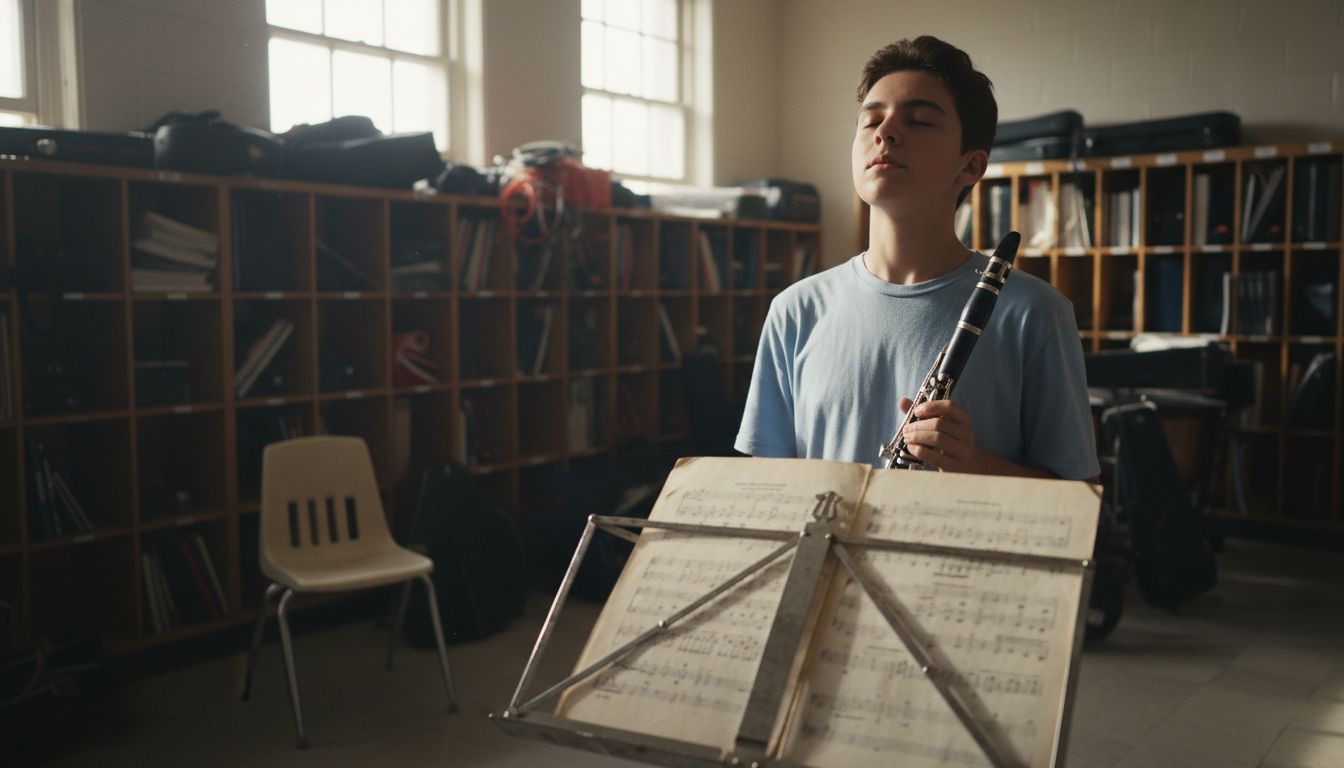
Developing a proper embouchure requires careful attention to lip positioning and mouthpiece placement. Start by positioning your lower lip firmly against the mouthpiece, creating a smooth seal without excessive tension. Your chin should remain flat and firm, which helps stabilize your sound and improve intonation. Practice maintaining a consistent embouchure by using a mirror to check your technique and ensure your lips are evenly distributed around the mouthpiece.
For advanced players looking to expand their capabilities, techniques like circular breathing can help you sustain notes for extended periods. This challenging technique involves inhaling through your nose while simultaneously pushing air from your cheeks into the instrument a skill that requires significant practice and muscle control. While mastering circular breathing takes time, even practicing its fundamental principles can improve your overall breath control and performance endurance.
Step 4: Practice Advanced Articulation and Finger Coordination
Developing precise articulation and seamless finger coordination are critical skills that separate good clarinetists from exceptional performers. Your ability to control tonguing techniques and move between notes smoothly will significantly enhance your overall musical expression.
Articulation techniques from professional clarinet pedagogues emphasize the importance of clean, crisp note attacks. Focus on using the tip of your tongue to create sharp and defined note beginnings, practicing different articulation styles from staccato to legato. Experiment with tongue placement and pressure to discover how slight variations can dramatically change your sound quality and musical interpretation.
Developing an anatomically sound hand position is fundamental to advanced finger coordination. Practice keeping your fingers close to the keys, minimizing unnecessary movement and creating faster transitions between notes. Start with slow technical exercises that isolate specific finger patterns, gradually increasing speed as you build muscle memory. Your goal is to create fluid, effortless movements that allow you to navigate complex musical passages with precision and confidence.
Step 5: Evaluate and Adjust Your Tone Quality
Developing a refined tone quality is the hallmark of an exceptional clarinetist. Your ability to critically analyze and systematically improve your sound will determine your musical growth and performance potential.
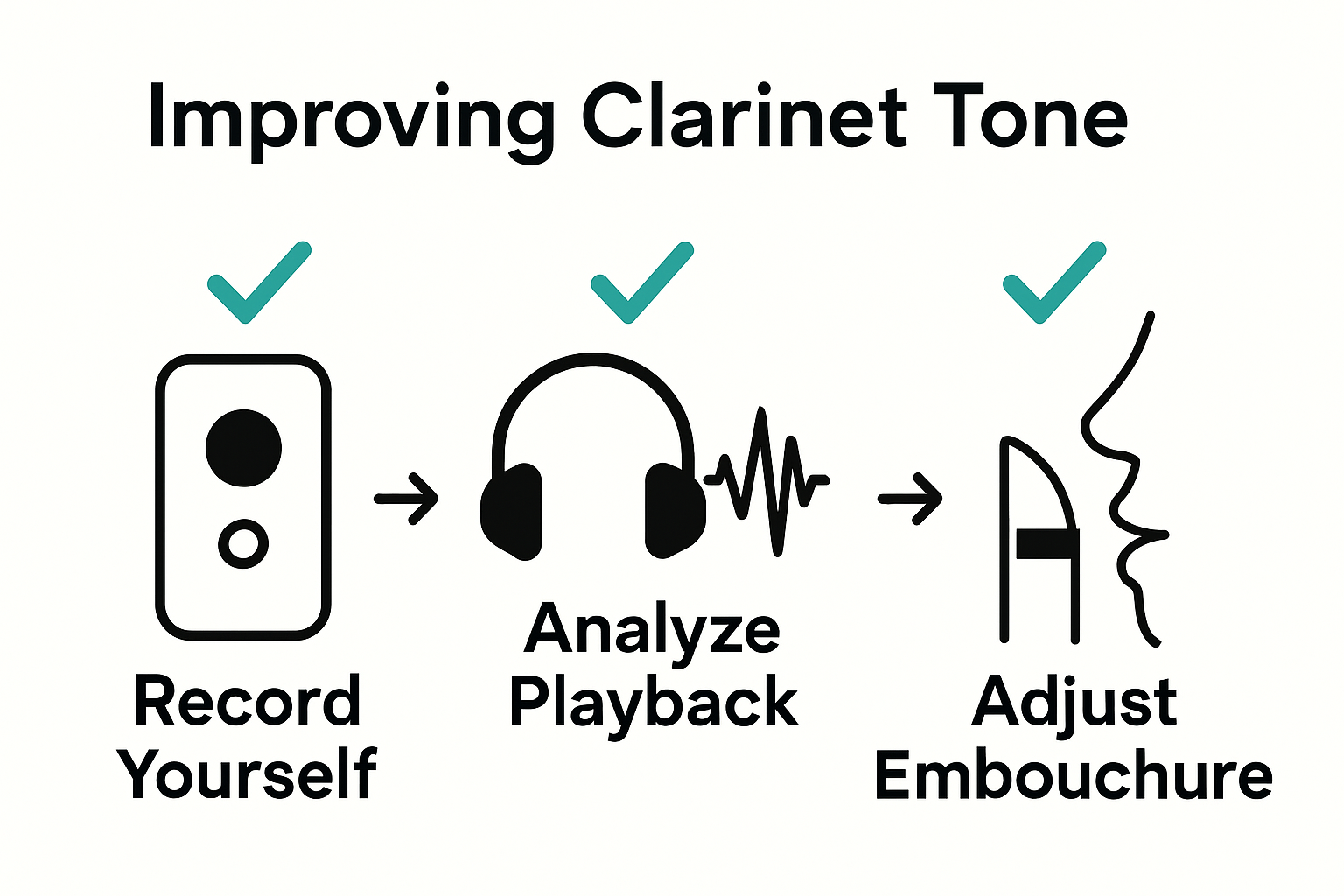
Successful audition preparation hinges on understanding and controlling your tone quality. Begin by recording yourself playing and listening critically to identify specific areas for improvement. Pay attention to consistency across different registers, focusing on maintaining a clear and centered sound from your lowest to highest notes. Experiment with subtle embouchure adjustments and air support to create a more resonant and controlled tone.
High note performance requires careful attention to embouchure and reed selection. When working on challenging upper register passages, concentrate on maintaining a stable embouchure and selecting reeds that complement your specific playing style. Try different reed strengths and brands to find the optimal combination that provides both flexibility and tonal clarity. Remember that tone quality is a continual journey of refinement that demands patience, critical listening, and consistent practice.
Elevate Your Clarinet Sound with Expert Gear and Personalized Support
Achieving your best clarinet tone requires more than just practice it demands the right equipment tailored to your unique playing style and goals. This guide highlights challenges like selecting optimal mouthpieces and customizing embouchure techniques that have a direct impact on your tone quality and performance stamina. If you struggle to find the perfect gear that complements your breathing, articulation, and finger coordination My Clarinet Stuff offers a curated selection of professional-grade mouthpieces, barrels, and custom components crafted with a passion for the Viennese sound tradition.

Discover how personalized consultations and high-quality accessories can transform your playing experience today. Don’t settle for generic parts when you can explore an exclusive range built to enhance your individual sound and support advanced techniques like circular breathing and precise articulation. Visit My Clarinet Stuff now to find custom mouthpieces and specialized clarinet accessories that help you master every performance detail. Start your journey toward a refined tone and effortless play with expert guidance and boutique gear designed for serious musicians.
Frequently Asked Questions
How can I select the best gear for my clarinet performance?
Choosing the right clarinet gear involves finding a suitable mouthpiece, quality reeds, and reliable accessories that match your playing style. Start by testing different options to see what enhances your sound and comfort, aiming to try at least three different reed strengths and mouthpiece brands to identify your ideal setup.
What should I include in my clarinet preparation kit?
To ensure consistent performance, your clarinet preparation kit should include spare reeds, cleaning materials, cork grease, a soft cloth, and a reed holder. Assemble all necessary supplies before your rehearsal or performance to maintain optimal playing conditions and reduce last-minute stress.
How do I improve my breathing and embouchure technique?
Improving your breathing and embouchure involves mastering proper lip positioning and air control. Practice positioning your lower lip against the mouthpiece while keeping your chin flat; aim to spend 15 minutes daily focusing on these techniques to build muscle memory and enhance your sound quality.
What are some effective exercises for articulation and finger coordination?
Focus on articulation exercises that use the tip of your tongue for clean note attacks, practicing styles like staccato and legato. Additionally, isolate specific finger patterns and gradually increase your speed; aiming for about 10 minutes of targeted practice each session can significantly improve your coordination.
How can I evaluate and adjust my clarinet’s tone quality?
To evaluate your tone quality, record yourself playing and listen critically for consistency across registers. Experiment with slight adjustments to your embouchure and air support, dedicating one session per week to focused tone practice, to achieve a more resonant and controlled sound.