
Most American clarinetists lose up to 40 percent of reed performance due to improper preparation or storage. When every rehearsal and concert depends on the reliability of your reeds, mastering a consistent care routine separates average sound from standout performance. This guide reveals proven strategies that help professional musicians and serious students maintain optimal reed quality and extend the life of their most important accessories.
Table of Contents
- Step 1: Prepare Reeds For Daily Use
- Step 2: Clean And Sanitize Reeds Properly
- Step 3: Rotate And Store Reeds Correctly
- Step 4: Inspect And Test Reed Performance
- Step 5: Maintain Reeds For Longevity
Quick Summary
| Key Point | Explanation |
|---|---|
| 1. Soak Reeds for Optimal Flexibility | Submerge reeds in room temperature water for 2-3 minutes to soften fibers and enhance playability. |
| 2. Regularly Clean for Hygiene | Rinse reeds with lukewarm water and a mild soap solution to prevent bacterial growth and improve sound. |
| 3. Systematic Reed Rotation is Crucial | Rotate 4-6 reeds regularly to extend their lifespan and maintain consistent sound quality during play. |
| 4. Inspect Reeds for Performance Issues | Visually check reeds for chips or warping and test their sound quality to ensure optimal performance. |
| 5. Maintain Reeds to Extend Longevity | Wipe down reeds after use and store them properly to prevent damage and prolong their usability. |
Step 1: Prepare reeds for daily use
Clarinetists know that the right reed preparation can dramatically improve sound quality and instrument performance. Getting your clarinet reeds ready for daily playing requires a systematic approach that involves hydration, alignment, and careful handling. Professional musicians understand that reed conditioning involves precise steps to ensure consistent tonal quality and durability.
Start by selecting a new or previously played reed and prepare it through a gentle soaking process. Submerge the reed in room temperature water for approximately 2-3 minutes, which helps soften the fibers and restore flexibility. After soaking, carefully remove the reed and place it on a flat surface like a ceramic tile or glass plate to prevent warping. Gently blot excess moisture with a soft, lint-free cloth without applying pressure that might damage the delicate reed tip. Inspect the reed for any visible imperfections like chips or uneven edges that could impact sound production.
Position the reed on your mouthpiece with precise alignment, ensuring the reed’s flat side matches perfectly with the mouthpiece table. Use light, even pressure when securing the ligature to maintain the reed’s delicate structure. Allow the reed to stabilize for a few moments before playing, which helps it acclimate to temperature and humidity conditions.
Pro tip: Store your prepared reeds in a dedicated reed case with humidity control to maintain their optimal playing condition between practice sessions.
Step 2: Clean and sanitize reeds properly
Maintaining pristine reed hygiene is crucial for both sound quality and instrument longevity. Proper reed sanitization techniques can prevent bacterial growth and ensure consistent musical performance. Professional clarinetists understand that routine cleaning goes far beyond a simple rinse.
Begin your reed cleaning process by rinsing the reed with lukewarm water to remove saliva residue and accumulated debris. Avoid using hot water, which can warp the reed’s delicate wooden structure. For deeper sanitization, create a mild solution using water and a small amount of mild dish soap. Gently clean the reed’s surface with a soft cloth or soft bristle brush, paying careful attention to the tip and edges without applying excessive pressure. After cleaning, thoroughly rinse the reed with clean water to remove any soap residue that might impact sound quality.
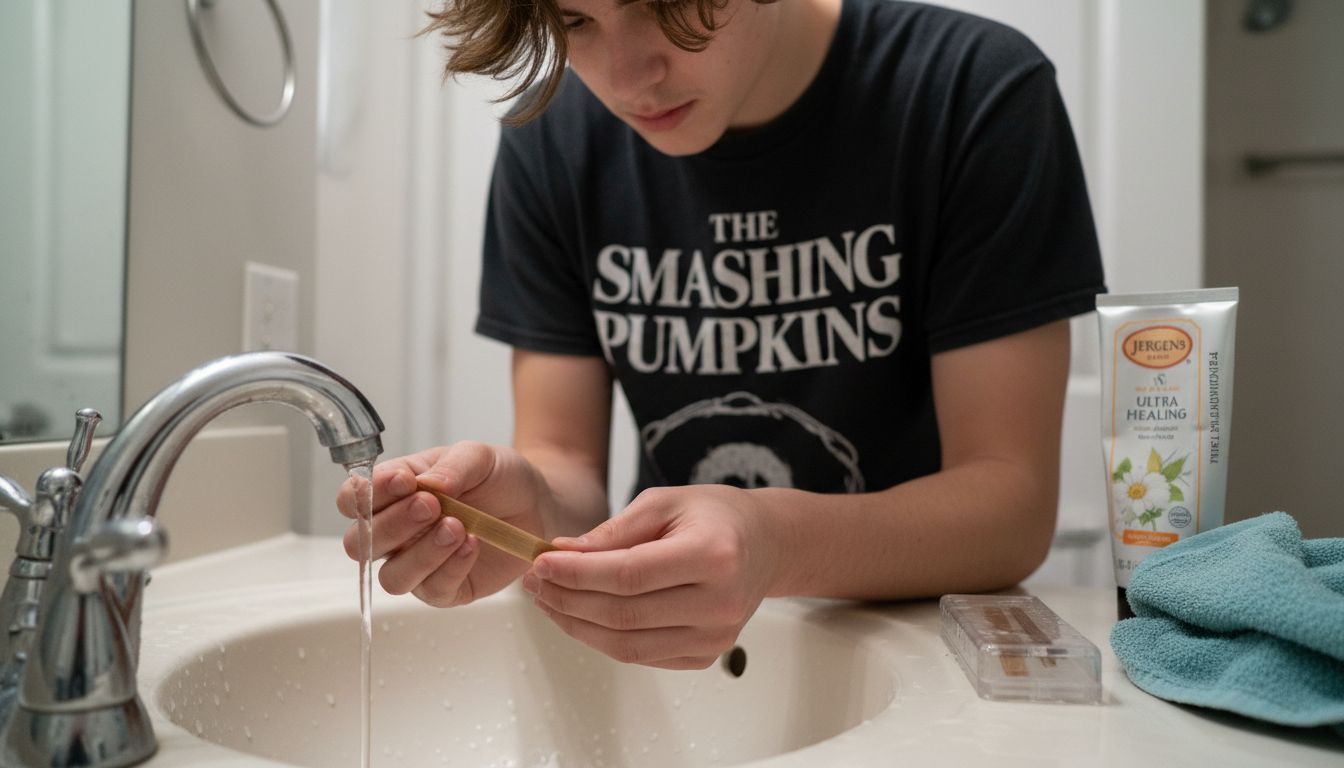
After washing, carefully pat the reed dry using a lint-free cloth or paper towel. Allow the reed to air dry completely on a flat surface away from direct sunlight or heat sources. Store cleaned reeds in a ventilated reed case that prevents moisture buildup and allows proper air circulation. This process not only removes potential contaminants but also helps maintain the reed’s structural integrity and playing performance.
Pro tip: Keep a dedicated soft cloth and separate cleaning materials for your reeds to prevent cross-contamination and maintain optimal hygiene standards.
Step 3: Rotate and store reeds correctly
Professional clarinetists know that strategic reed rotation is key to maintaining consistent sound quality and extending reed lifespan. Reed rotation strategies involve more than simply swapping reeds randomly and require a systematic approach to preservation and performance.
Develop a structured rotation system by maintaining a set of 4-6 reeds that you cycle through during practice and performance. Number or label each reed and track its usage in a dedicated notebook or digital spreadsheet. After each playing session, carefully wipe down the reed and place it in a dedicated storage case with individual slots that prevent warping and moisture damage. Avoid storing reeds in closed containers that trap humidity, which can cause rapid deterioration. Instead, select a reed case with ventilation that allows gentle air circulation while protecting the delicate wooden surface.
When selecting which reed to use, always choose one that has rested for at least 24 hours since its last playing session. This resting period allows the reed to recover its structural integrity and prevents excessive wear. Rotate reeds in a consistent sequence, ensuring each reed experiences equal playing time and appropriate recovery intervals. By implementing a disciplined rotation approach, you will significantly extend the usable life of your clarinet reeds and maintain more consistent sound quality across performances.
Pro tip: Invest in a humidity controlled reed case and track each reed’s performance characteristics to optimize your rotation strategy.
Step 4: Inspect and test reed performance
Clarinetists must develop a keen eye and ear for evaluating reed quality, as precise reed performance testing directly impacts musical expression and sound production. Understanding how to thoroughly assess your reeds will help you consistently achieve optimal musical results.
Begin your reed inspection by visually examining the reed under good lighting. Check for symmetry along the tip and sides, looking for any chips, cracks, or uneven edges that might compromise sound quality. Run your fingertip gently along the reed surface to detect microscopic irregularities or warping that could affect vibration. When testing sound production, play long sustained notes across different registers and listen carefully for consistent tone, responsiveness, and clarity. A high quality reed will produce an even sound with minimal resistance and vibrant harmonic qualities.

Here’s a concise comparison of common reed issues and their impact on clarinet performance:
| Reed Issue | Likely Cause | Sound Impact | Recommended Action |
|---|---|---|---|
| Warping | Excess moisture, poor storage | Poor tone, unstable pitch | Dry flat, use ventilated case |
| Frayed edges | Frequent use, mishandling | Airy sound, uneven response | Sand smooth, rotate out |
| Discoloration | Saliva, humidity | Dull tone, reduced clarity | Sanitize, air dry thoroughly |
| Cracks/chips | Dropping, excessive pressure | Squeaks, loss of projection | Replace immediately |
Develop a systematic scoring method for your reeds, rating each one on factors like sound clarity, resistance, response time, and overall playing comfort. Create a simple grading system such as A through D, with A representing perfect performance and D indicating a reed that requires replacement or significant adjustment. By maintaining detailed records of each reed performance, you will build a comprehensive understanding of your individual reed characteristics and make more informed decisions about reed selection and rotation.
Pro tip: Keep a small magnifying glass in your reed case to help you detect subtle imperfections that might not be visible to the naked eye.
Step 5: Maintain reeds for longevity
Maintaining clarinet reeds requires a strategic approach to preserve their structural integrity and performance quality. Routine reed maintenance techniques can significantly extend the usable life of your woodwind accessories, saving you money and ensuring consistent musical performance.
Establish a comprehensive maintenance routine that begins immediately after each playing session. Carefully wipe down your reed with a soft microfiber cloth to remove saliva and moisture that can cause rapid deterioration. Store reeds in a flat position on a specialized reed holder that prevents warping and allows air circulation. Avoid exposing reeds to extreme temperature fluctuations or direct sunlight, which can cause structural damage and compromise their playing characteristics. Periodically inspect your reeds for signs of wear such as fraying edges, discoloration, or changes in flexibility. When minor imperfections appear, use fine grain sandpaper to gently smooth rough edges and restore the reed surface.
Implement a proactive replacement strategy by tracking each reed performance. Create a logbook or digital spreadsheet to record playing time, performance quality, and any maintenance performed. Retire reeds that show significant wear or consistently poor sound production, understanding that even with meticulous care, reeds have a limited functional lifespan. Rotate your reed collection regularly to distribute wear evenly and prevent overuse of any single reed.
Pro tip: Keep a small notebook in your reed case to document each reed performance and track its lifecycle for more informed replacement decisions.
Below is a summary of reed management techniques and their long-term benefits for clarinetists:
| Technique | Short-Term Benefit | Long-Term Benefit |
|---|---|---|
| Structured rotation | Balanced reed wear, consistent tone | Extended reed lifespan |
| Humidity control | Maintains reed flexibility | Prevents mold, preserves material |
| Regular inspection | Identifies early performance issues | Reduces unexpected failures |
| Performance logging | Informs selection for each session | Tracks trends, improves choices |
Elevate Your Clarinet Reed Care with Expert Equipment and Support
Proper reed care requires attention to detail when preparing, cleaning, rotating, and inspecting your reeds to preserve sound quality and reed longevity. This article highlights challenges like controlling humidity, avoiding warping, and maintaining reed hygiene all crucial for achieving the consistent tone and responsiveness every clarinetist desires. Avoid frustration from uneven reeds or premature wear by combining meticulous maintenance techniques with the right specialized gear.

Discover how My Clarinet Stuff supports your reed-care workflow by offering a curated selection of professional-grade accessories designed to complement your maintenance routine. Whether you need precision-crafted barrels and mouthpieces or reliable reed cases with humidity control our boutique collection emphasizes Viennese craftsmanship and personalized options to enhance your playing experience. Take control of your sound now by visiting My Clarinet Stuff and explore custom solutions that help keep your reeds performing at their best every day.
Frequently Asked Questions
How should I prepare my clarinet reeds for daily use?
To prepare your clarinet reeds, soak them in room temperature water for 2-3 minutes to restore flexibility. After soaking, gently blot excess moisture and ensure precise alignment on the mouthpiece before securing with a ligature.
What are the best practices for cleaning and sanitizing clarinet reeds?
Clean your clarinet reeds by rinsing them with lukewarm water to remove saliva and debris. Use a mild soapy solution for deeper cleaning, but always rinse thoroughly and allow the reeds to air dry completely before storing.
How do I effectively rotate and store my clarinet reeds?
Develop a system to rotate 4-6 reeds, giving each time to recover by resting at least 24 hours before use. Store them in a ventilated reed case that prevents warping and moisture damage, ensuring each reed is stored flat to maintain its shape.
What should I look for when inspecting and testing reed performance?
Inspect your reeds for symmetry and signs of wear, such as cracks or uneven edges. Test their performance by playing long notes to assess tone consistency and responsiveness, and keep detailed records of performance ratings to track trends.
How can I maintain my clarinet reeds for longevity?
To maintain clarinet reeds, wipe them with a soft cloth after each session and store them flat in a specialized holder. Periodically inspect for wear and record their performance to inform when to replace them, ensuring balanced usage across your reed collection.
What should I do if my reed develops issues like warping or frayed edges?
If your reed is warped or has frayed edges, dry it flat and consider using fine grain sandpaper to smooth rough surfaces. Evaluate the reed’s performance, and if problems persist, replace it with a new one to ensure optimal sound quality.
Recommended
- The Essential Guide to Clarinet Mouthpiece Reeds – My Clarinet Stuff
- 7 Essential Examples of Clarinet Reeds for Every Player – My Clarinet Stuff
- Clarinet Reed Adjustment Guide for Enhanced Sound Quality – My Clarinet Stuff
- Clarinet Reed Compatibility: Complete Guide for Musicians – My Clarinet Stuff
One Response