


Almost 60 percent of American clarinetists experience physical discomfort from poor instrument ergonomics during long practice sessions. For serious players, every detail from posture to hand alignment directly affects both sound quality and comfort. Adopting advanced ergonomic playing techniques and customizing high-end accessories not only minimizes strain but also unlocks a higher level of expressive control and musical precision.
Table of Contents
- What Are Clarinet Playing Ergonomics?
- Key Postures For Optimal Comfort
- Hand, Thumb, And Finger Positioning
- Customizing Equipment For Ergonomic Fit
- Injury Risks And Prevention Strategies
- Common Mistakes To Avoid
Key Takeaways
| Point | Details |
|---|---|
| Ergonomics Matter | Understanding clarinet playing ergonomics is vital for optimizing comfort and improving sound quality. |
| Proper Positioning | Maintaining an upright posture and relaxed hand placement significantly reduces physical strain and enhances performance. |
| Equipment Customization | Personalizing equipment, such as thumb-rest and mouthpiece adjustments, is essential for reducing muscle strain and improving comfort. |
| Injury Prevention | Implementing warm-up routines and recognizing ergonomic mistakes can effectively prevent common injuries associated with clarinet playing. |
What Are Clarinet Playing Ergonomics?
Clarinet playing ergonomics represents a sophisticated approach to understanding how physical positioning and body mechanics directly impact musical performance. At its core, ergonomics examines the intricate relationship between a musician’s body and their instrument, focusing on optimizing comfort, reducing strain, and enhancing sound quality.
Musicians who practice deliberate ergonomic techniques recognize that playing the clarinet involves more than just technical skill – it requires strategic body positioning. Ancillary body movements significantly influence acoustic parameters like pitch, dynamics, and timbre, which means how a clarinetist positions their mouth, tongue, and overall posture directly affects musical expression.
The holistic approach to clarinet playing ergonomics addresses several critical components. These include proper embouchure alignment, minimizing physical tension, understanding individual anatomical variations, and developing muscle memory that supports consistent performance. Professional clarinetists understand that ergonomics isn’t just about preventing injury – it’s about creating a symbiotic relationship between musician and instrument that allows for maximum expressiveness and technical precision.
Pro tip: Practice your clarinet playing in front of a mirror to observe and correct your body positioning, ensuring you maintain an aligned and relaxed posture that supports optimal sound production.
Key Postures for Optimal Comfort
Achieving optimal comfort while playing the clarinet requires a nuanced understanding of body mechanics and strategic positioning. Maintaining a neutral spine and balanced weight distribution is critical for preventing fatigue and long-term physical strain, ensuring musicians can perform at their peak without compromising their physical well-being.
Professional clarinetists focus on several key postural elements that contribute to both comfort and performance quality. This includes maintaining an upright torso, keeping shoulders relaxed and level, positioning the instrument at a precise angle that minimizes neck and shoulder tension, and establishing a stable lower body foundation. By creating a balanced stance that supports natural breathing and reduces muscular resistance, musicians can significantly enhance their playing experience.
The biomechanics of clarinet playing demand a holistic approach to body alignment. Teaching approaches at leading music programs emphasize posture techniques that facilitate ease of movement and minimize physical stress, recognizing that proper positioning is not just about avoiding injury, but about optimizing musical expression. Advanced players learn to develop muscle memory that supports a natural, relaxed playing position, allowing them to focus on musical interpretation rather than physical discomfort.
Pro tip: Invest in a high-quality adjustable music stand that allows you to maintain proper eye level and instrument positioning without compromising your natural spine alignment.
Hand, Thumb, and Finger Positioning
Clarinetists understand that precise hand, thumb, and finger positioning is fundamental to both technical mastery and injury prevention. Electromyography studies have revealed that thumb-rest positioning critically influences muscle load and can help prevent overuse injuries, making ergonomic hand placement a crucial consideration for professional and amateur musicians alike.
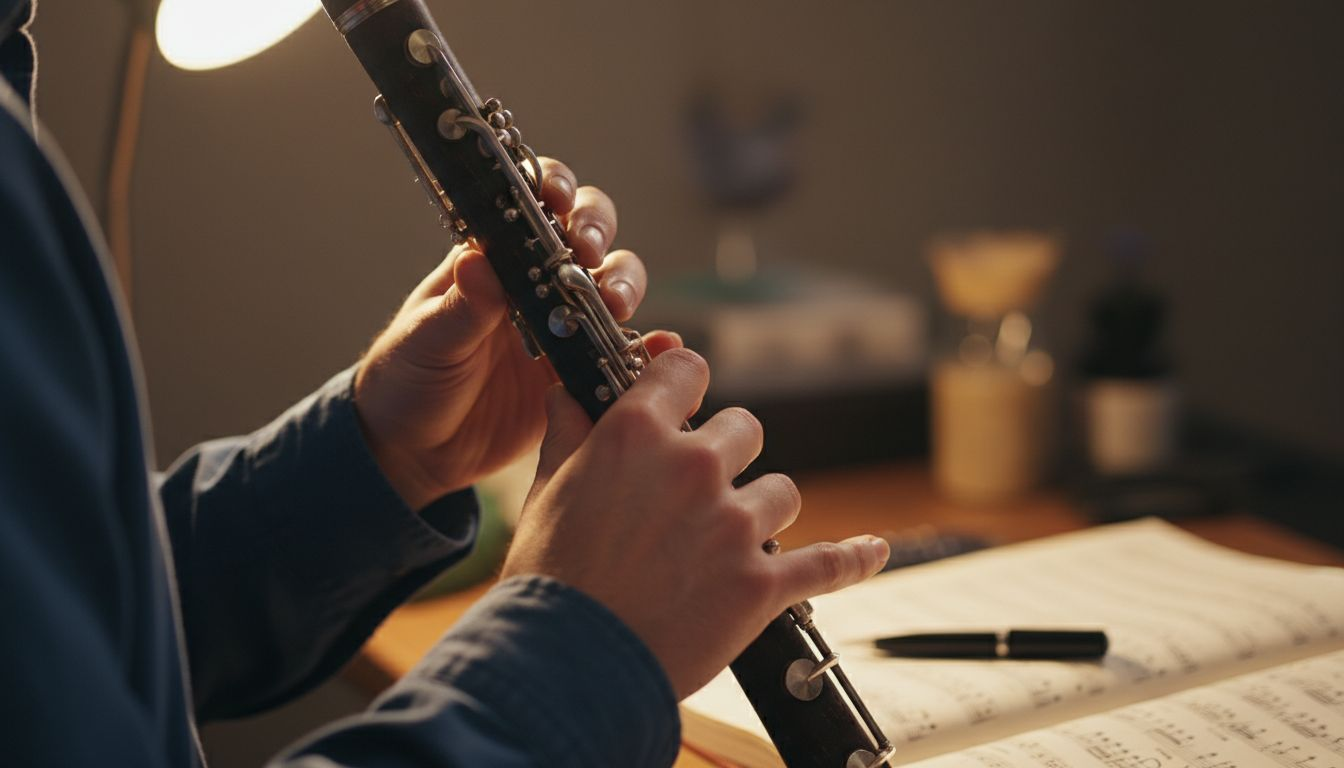
The right hand’s interaction with the instrument involves complex biomechanical relationships. Thumb placement is particularly critical, serving as a primary support point that distributes the clarinet’s weight and enables fluid finger movement. Professional players develop a nuanced approach to thumb positioning, ensuring a relaxed grip that allows for maximum dexterity while minimizing muscular tension. This involves maintaining a gentle, curved hand position that supports natural joint alignment and reduces unnecessary strain.
Precise finger and hand positioning directly impacts technical facility and sound production, creating a delicate balance between control and freedom of movement. Advanced clarinetists learn to cultivate a relaxed hand posture that allows for rapid, accurate finger transitions while maintaining minimal muscular engagement. This approach involves understanding individual hand anatomy, developing targeted muscle memory, and continuously refining finger placement to optimize performance.
Pro tip: Practice your hand positioning with a mirror or video recording to identify and correct subtle tension patterns that may compromise your playing technique.
Customizing Equipment for Ergonomic Fit
Clarinetists recognize that one-size-fits-all equipment can compromise performance and physical comfort. Modifying clarinet equipment to create a personalized ergonomic fit is essential for reducing muscle strain and distributing instrument weight more effectively, allowing musicians to play with greater ease and precision.
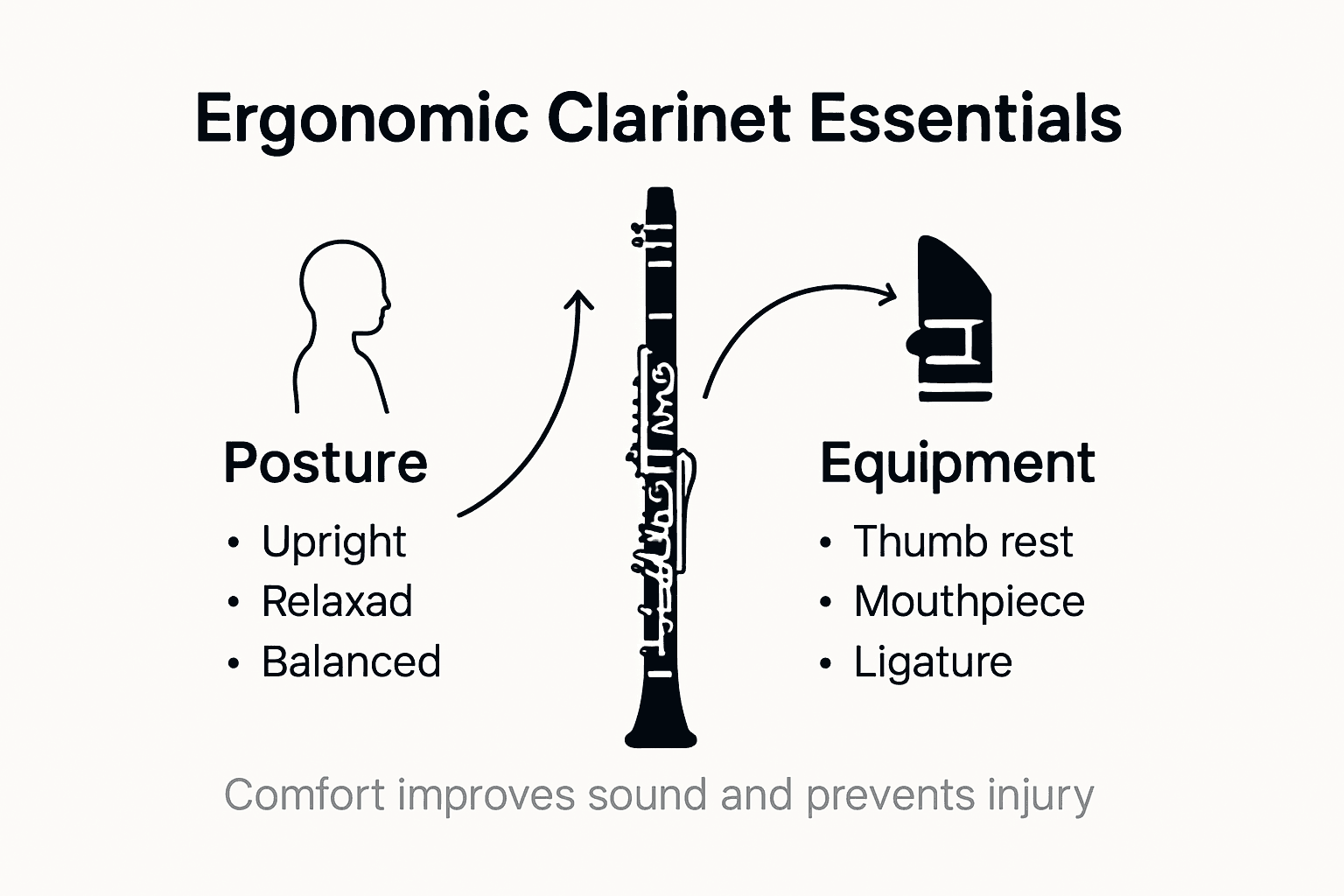
The customization process involves strategic adjustments to multiple instrument components. Thumb-rest modifications are particularly critical, as they directly impact hand positioning and overall playing comfort. Professional musicians often experiment with various thumb-rest heights, angles, and padding to create a support system that matches their unique hand anatomy. This might involve adding custom padding, adjusting the rest’s position, or even replacing the standard thumb-rest with a more ergonomically designed alternative that better supports natural hand alignment.
Adjustable components like ligatures, mouthpieces, and thumb-rests play a crucial role in tailoring the instrument to individual player anatomy. Advanced clarinetists understand that subtle equipment modifications can dramatically improve playing comfort and technical performance. These customizations might include selecting mouthpieces with specific dimensions, experimenting with different ligature tensions, or adding ergonomic key extensions that reduce finger stretch and minimize unnecessary muscle tension.
Pro tip: Consider working with a professional instrument technician who specializes in clarinet ergonomics to develop a personalized equipment modification strategy tailored to your specific physical needs and playing style.
Here’s a summary of crucial ergonomic adjustments and their benefits for clarinetists:
| Ergonomic Adjustment | Main Benefit | Example Modification |
|---|---|---|
| Thumb-rest personalization | Reduces muscle strain | Added padding, adjustable angle |
| Upright torso posture | Enhances breath support | Use of mirror feedback |
| Relaxed hand positioning | Improves finger agility | Gentle hand curve, adjusted grip |
| Adjustable music stand | Maintains spinal alignment | Stand height at eye level |
Injury Risks and Prevention Strategies
Repetitive strain injuries in clarinetists frequently emerge from prolonged awkward hand positioning and sustained muscular tension, making ergonomic awareness crucial for long-term musical health. Professional musicians must understand the nuanced relationship between playing technique and potential physical damage, recognizing that prevention is far more effective than treatment.
The most common injury risks for clarinetists involve musculoskeletal stress in the hands, wrists, shoulders, and neck. These challenges stem from complex interactions between instrument design, playing technique, and individual physical anatomy. Sustained tensions in upper limb movements can dramatically increase the likelihood of chronic pain and overuse injuries, making it essential to balance instrumental movements with proper body mechanics and strategic rest periods.
Prevention strategies require a multifaceted approach that combines technical adjustments, physical conditioning, and mindful playing practices. This includes developing targeted muscle strengthening exercises, implementing regular stretching routines specifically designed for musicians, maintaining proper instrument ergonomics, and learning to recognize early warning signs of potential strain. Advanced players often work with specialized physiotherapists or performance health experts to create personalized injury prevention protocols that address their unique physical requirements.
Pro tip: Implement a daily 15-minute warm-up and cool-down routine that includes gentle stretches and range-of-motion exercises focused on your hands, wrists, and shoulders to maintain flexibility and reduce injury risks.
Compare common clarinetist injury risks and recommended prevention strategies:
| Injury Risk | Typical Cause | Prevention Strategy |
|---|---|---|
| Hand strain | Tight grip or poor finger use | Regular hand stretches |
| Shoulder/neck tension | Unbalanced instrument position | Relaxed shoulders, proper angle |
| Wrist fatigue | Sustained awkward thumb support | Thumb-rest adjustment |
| Chronic musculoskeletal pain | Repetitive posture errors | Muscle strengthening exercises |
Common Mistakes to Avoid
Clarinet players frequently encounter ergonomic pitfalls that can compromise both performance and physical health, with many musicians unknowingly developing habits that create unnecessary strain and potential long-term injury risks. Understanding these common mistakes is the first step toward developing a more sustainable and comfortable playing technique.
One of the most critical technical errors involves improper hand and thumb positioning, which can lead to excessive muscle tension and restricted movement. Professional musicians often struggle with maintaining a relaxed grip, inadvertently creating unnecessary strain in their hands, wrists, and arms. Neglecting structured warm-up routines and playing with persistent tension can significantly undermine clarinet ergonomics, transforming what should be a fluid, expressive experience into a physically demanding challenge.
Other prevalent mistakes include poor posture, incorrect breathing techniques, and inconsistent muscle engagement. Advanced players recognize that ergonomic playing is a holistic approach that integrates body mechanics, instrument positioning, and mental awareness. This means avoiding common traps like hunching over the instrument, gripping too tightly, overcompensating with unnecessary muscular tension, or failing to take strategic breaks during extended practice or performance sessions.
Pro tip: Record yourself playing and review the footage critically, paying close attention to your body positioning, hand tension, and overall physical engagement to identify and correct subtle ergonomic mistakes.
Enhance Your Clarinet Playing Comfort with Expert Equipment
The article highlights how vital proper ergonomic positioning and customized equipment are for clarinetists seeking to reduce muscle strain, improve finger agility, and maintain a relaxed hand posture. If you struggle with discomfort or want to optimize your clarinet playing experience through tailored accessories, it is time to consider high-quality, professionally crafted components designed to work with your unique anatomy.

Discover a curated selection of mouthpieces, barrels, and customizable parts at My Clarinet Stuff that honor the Viennese sound tradition while focusing on ergonomics and playability. Our offerings come with expert advice and personalized consultations so you can find the perfect fit to enhance your posture, thumb support, and overall comfort. Start your journey toward effortless sound and injury prevention today by exploring our premium collection at My Clarinet Stuff. Your best performance awaits.
Frequently Asked Questions
What are the key components of clarinet playing ergonomics?
Clarinet playing ergonomics focuses on body positioning, minimizing tension, understanding anatomical variations, and developing muscle memory for comfort and sound quality.
How can I improve my posture while playing the clarinet?
To improve posture, maintain an upright torso, keep your shoulders relaxed, position the instrument at a precise angle, and distribute your weight evenly to prevent fatigue.
What common mistakes should I avoid to prevent injury while playing the clarinet?
Common mistakes include improper hand and thumb positioning, gripping too tightly, poor posture, and neglecting warm-up routines that can lead to tension and strain.
How can I customize my clarinet equipment for better ergonomic fit?
Customize your clarinet by adjusting the thumb-rest height and angle, selecting mouthpieces that suit your hand anatomy, and utilizing adjustable components to reduce strain and enhance comfort.