
Choosing a unique sound is never a matter of luck for professional clarinetists. The pursuit of a truly personalized tone centers on mastering performance fundamentals and making intentional equipment choices that shape every note you play. From air control to selecting the right mouthpiece and barrel, your approach determines your signature style. This guide helps you navigate the detailed world of clarinet tone customization, so you achieve results that match your artistry and ambitions.
Table of Contents
- Clarinet Tone Customization Fundamentals
- Mouthpiece And Barrel Options For Tone
- The Influence Of Viennese Sound Tradition
- Trial Setups And Personalized Consultations
- Common Mistakes And How To Avoid Them
Key Takeaways
| Point | Details |
|---|---|
| Understand Tone Customization | Your clarinet’s sound is shaped by air control, embouchure, and reed responsiveness, making tone customization a learnable skill. |
| Equipment Choices Matter | Mouthpiece and barrel selection significantly influence your sound; match them to your playing style for better tonal results. |
| Practice Fundamentals | Allocating 20-40% of your practice time to long tones, scales, and articulation ensures a solid foundation for tone quality. |
| Test and Consult | Utilizing trial setups and personalized consultations with specialists can accelerate your tone customization journey effectively. |
Clarinet tone customization fundamentals
Tone customization starts with understanding that your clarinet’s sound is not fixed or predetermined. What you produce depends on a complex interplay between your physical technique, equipment choices, and intentional adjustments you make during practice and performance. Professional clarinetists in the United States who achieve distinctive, recognizable sounds do so through deliberate mastery of these fundamentals rather than luck or expensive gear alone. The good news is that the building blocks are learnable, repeatable, and transferable across different instruments and playing contexts.
The foundation of tone customization rests on three core pillars: air control, embouchure formation, and reed responsiveness. Your air support determines how much energy reaches the reed and ultimately shapes the acoustic output. Think of air control as similar to how a bow on a violin creates sustained tones, except in your case, consistent airflow is the equivalent mechanism. Learning to maintain steady pressure throughout long passages, control dynamic range without sacrificing tone quality, and adjust airflow based on register demands gives you real power over your sound. Alongside this, proper embouchure formation acts as the critical gateway where airflow meets the reed. Subtle shifts in embouchure muscle tension directly affect both tuning and tonal color, meaning a relaxed yet controlled embouchure produces different results than one that is overly tight or loose. Finally, reed responsiveness connects everything together, as your embouchure and air support only matter if the reed can vibrate freely and efficiently within the environment you create.
Practical customization begins with foundational exercises that build muscle memory for these three elements. Long tones remain the most effective tool for developing consistent air pressure and embouchure stability, allowing you to hear exactly how small adjustments in your setup affect the resulting sound. Scale work trains your fingers to move efficiently without disrupting air support or embouchure position, which is critical when executing rapid passages without tonal degradation. Articulation exercises teach you to shape attack and release characteristics while maintaining core tone quality. Developing these performance fundamentals through targeted practice commits these techniques to muscle memory, enabling you to focus on musical expression rather than mechanical execution during performances. Most professional clarinetists spend 20 to 40 percent of their practice time on these basics rather than repertoire alone, recognizing that tone customization is a continuous refinement process rather than a destination.
The relationship between your physical setup and sound production cannot be overstated. Your mouthpiece selection, barrel design, and reed choice act as the primary variables you can adjust to shift your tonal palette. A mouthpiece with a smaller chamber produces brighter, more focused tones, while a larger chamber delivers warmer, rounder sounds. Barrel length and bore profile influence how sound resonates before exiting the instrument. Reed hardness, profile, and material composition all contribute to how easily the reed responds to your air support and embouchure adjustments. Rather than chasing an endless cycle of equipment changes, understanding how these components interact allows you to make informed decisions aligned with your sonic goals and playing style.
Pro tip: Record yourself performing the same passage across several days using your current setup, then experiment with one single variable (such as embouchure muscle tension) while keeping everything else constant; comparing the recordings reveals exactly how your adjustments translate to audible differences in tone, accelerating your customization progress dramatically.
Mouthpiece and barrel options for tone
Your mouthpiece and barrel work together as the primary components that directly shape your clarinet’s sonic character. While many players focus heavily on reed selection, the equipment upstream of the reed often has an even greater impact on the final sound you produce. The mouthpiece design and barrel construction are where your air support and embouchure adjustments translate into actual acoustic output. Understanding how different materials, chamber sizes, and bore profiles affect tone allows you to make intentional choices rather than relying on whatever came stock with your instrument.
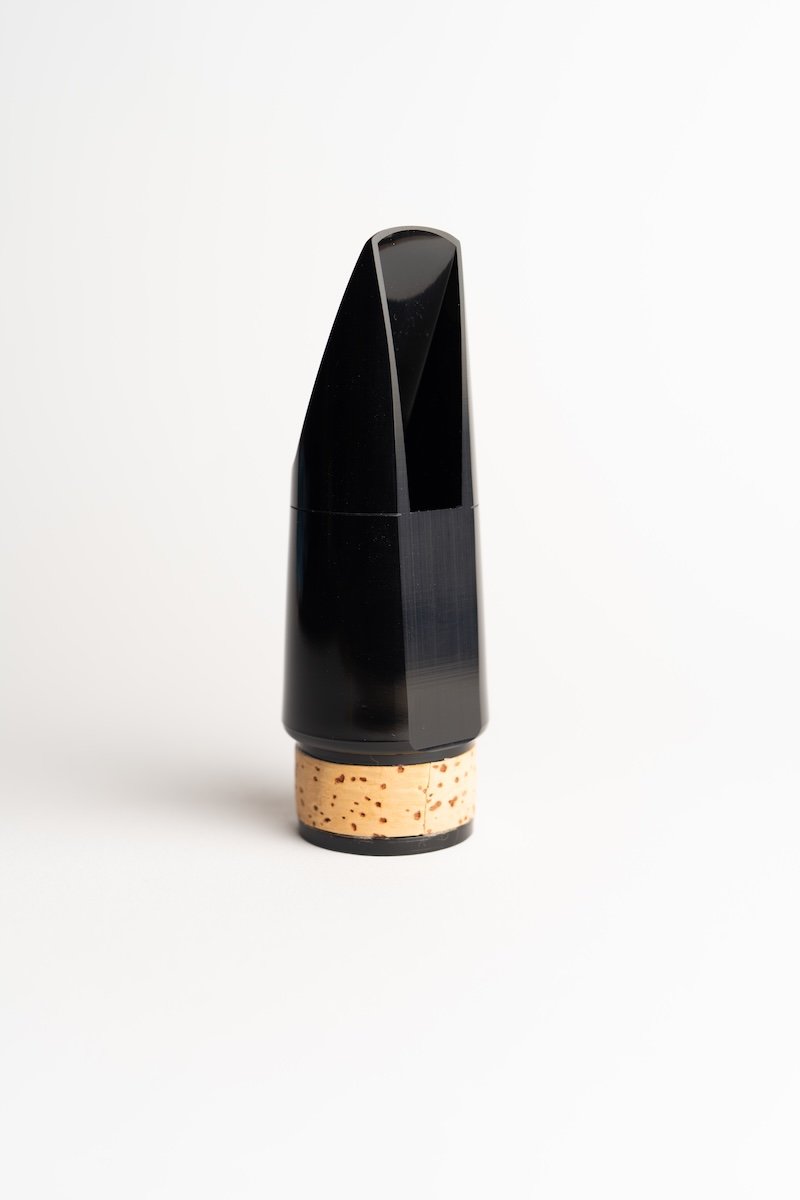
Mouthpieces come in a wider range of materials and designs than many clarinetists realize. Clarinet mouthpieces are crafted from wood, bone, hard rubber, plastic, glass, ceramic, and metal, each producing distinctly different acoustic characteristics. Wood mouthpieces, particularly those crafted from ebonite in the Viennese tradition, tend to produce warmer, rounder tones with excellent projection. Hard rubber mouthpieces offer a middle ground, balancing brightness with warmth while proving more durable than wood. Metal mouthpieces deliver brighter, more cutting tones ideal for players seeking presence in ensemble settings. The chamber size of your mouthpiece critically affects tone color independent of material choice. A smaller chamber concentrates sound energy, producing focused, bright tones with faster response, while a larger chamber creates darker, warmer tones that require more air support but offer greater expressive range. Tip opening also matters significantly, as a narrower tip produces denser sound with easier articulation, while a wider tip demands more embouchure control but unlocks fuller tonal potential. Rather than thinking of mouthpiece choices as better or worse, consider them as tools that shift your sonic palette in specific directions aligned with your musical goals.
Here’s a comparison of mouthpiece materials and their tonal characteristics:
| Material | Tonal Quality | Durability | Common Usage Context |
|---|---|---|---|
| Wood | Warm, round, rich | Less durable | Viennese, solo, chamber |
| Hard Rubber | Balanced, versatile | Very durable | All genres, student/pro |
| Metal | Bright, cutting | Highly durable | Jazz, large ensembles |
| Plastic | Focused, direct | Very durable | Beginner, school use |
| Glass | Clear, unique timbre | Fragile | Experimental, specialty |
| Ceramic | Smooth, mellow | Moderately durable | Art music, niche setups |
Barrels function as acoustic resonators that refine the sound traveling from your mouthpiece toward the lower joint. Barrel length and material composition impact intonation, tone color, and overall response. Student barrels are typically shorter and made from ebonite, which heats up during playing and produces slightly warmer tones while simplifying intonation for developing players. Professional barrels often feature longer designs or adjustable lengths made from metal alloys like grenadilla or composite materials, giving experienced players precise control over tuning and tonal nuances. The bore profile of your barrel, even if subtle, influences how sound waves resonate before entering the lower joint. Some barrels feature spiral bores or textured interiors that affect how the clarinet responds to different articulation and dynamic demands. Changing your barrel alone can noticeably shift your tone, and many professional clarinetists maintain multiple barrel options for different performance contexts. A warmer barrel might serve solo work, while a brighter one works better in orchestral settings where projection matters.
The interaction between your mouthpiece and barrel cannot be overlooked. A bright mouthpiece paired with a dark barrel may create a balanced tone, while matching bright components might produce sound that feels harsh or thin. Your reed also factors into this equation, as a responsive reed complements a setup with easier response characteristics, while a harder reed suits mouthpieces requiring more embouchure engagement. Rather than upgrading everything at once, try changing one component and listening carefully for the resulting sonic shift. This methodical approach prevents wasting money on unnecessary purchases while building your understanding of how equipment translates into audible results. Professional clarinetists often have 2 or 3 different mouthpiece and barrel combinations available, allowing them to adapt their sound to different repertoire, venues, and ensemble contexts without compromising their core technique or embouchure consistency.
Pro tip: Borrow or rent several different mouthpieces and barrels from local music shops or colleagues before purchasing, testing each combination with your current reed and the same passages for at least 15 minutes to hear how tonal changes emerge over time rather than judging based on first impressions alone.
The influence of Viennese sound tradition
The Viennese clarinet sound represents one of the most distinctive and cohesive sonic aesthetics in orchestral music, rooted in centuries of Austrian musical culture and instrument-making tradition. Understanding this tradition matters deeply if you’re seeking to customize your tone with intention and historical awareness. The Viennese approach differs fundamentally from what you hear in most American orchestras, British ensembles, or even other European traditions. Rather than chasing trends or assuming that brighter, more powerful tones are universally superior, many professional clarinetists actively study the Viennese tradition to unlock expressive possibilities and develop a more nuanced, layered sound palette.
The Viennese Klangstil is characterized by darker tones with fewer overtones compared to international orchestral clarinet norms. This distinctive sound quality emerges not from a single factor but from a constellation of choices spanning instrument construction, mouthpiece design, embouchure approach, and performance aesthetics deeply valued in Viennese musical culture. Viennese clarinetists favor equipment and techniques that emphasize warmth, sentimentality, and controlled expressiveness over projection and brightness. The mouthpieces traditionally used in Vienna feature specific chamber sizes and tip geometries that produce rounder, more focused tones. The barrels are often longer and constructed from materials like ebonite that naturally warm the sound during performance. Even the reed profiles differ, typically featuring cuts that encourage faster vibration and deeper tone colors. What many American clarinetists discover when exploring this tradition is that the Viennese approach demands more refined embouchure control and air support finesse. You cannot simply play louder or push harder to achieve the desired sound. Instead, the tradition requires listening intently and adjusting with subtle precision, which ironically develops superior technical control applicable to any musical context.
The historical preference for chalumeau and early clarinets in 18th-century Vienna established aesthetic ideals that continue influencing how clarinetists customize their tone today. Vienna’s composers valued instruments that conveyed intimacy, delicacy, and emotional directness rather than overwhelming power. This cultural context shaped what Viennese musicians considered beautiful sound, and those values persist in contemporary clarinet performance. Professional clarinetists working in Viennese orchestras still prioritize tone qualities that blend seamlessly with strings, honor historical performance practice, and serve the composer’s expressive intent over individual virtuosity. The practical outcome is that Viennese equipment choices and playing techniques create sounds that work exceptionally well in chamber settings, solo recitals, and Mozart or Brahms repertoire. Many American professionals who study Viennese tradition report that their overall musicianship deepens because the approach demands greater attention to intonation nuances, tone color gradation, and ensemble balance.
Adopting aspects of the Viennese tradition does not require abandoning your identity as an American clarinetist or fully converting to Austrian equipment. Instead, selective incorporation allows you to expand your expressive range and understand how different aesthetic approaches shape sound production. Consider experimenting with a mouthpiece designed in the Viennese tradition, perhaps one with a slightly larger chamber or different facing curve than your current setup. Pair it with a longer barrel and listen carefully for how the resulting darker tone affects your phrasing, dynamic control, and overall musical communication. Many clarinetists discover that this exploration opens new possibilities in lyrical passages, chamber music collaborations, and repertoire they previously found technically demanding. The goal is not to achieve an “authentic” Viennese sound if that contradicts your musical personality, but rather to understand how this tradition achieved such a cohesive sonic philosophy and borrow elements that resonate with your artistic vision.
Pro tip: Start by listening to recordings of the Vienna Philharmonic clarinetists and compare their sound directly to American orchestral clarinet recordings, noting the specific tonal qualities, vibrato characteristics, and dynamic ranges that distinguish the traditions, then identify which Viennese qualities appeal to you and research mouthpieces or barrels specifically designed to support those particular sound colors.
Trial setups and personalized consultations
Tone customization accelerates dramatically when you have access to trial equipment and expert guidance tailored to your specific needs. Working in isolation, testing one mouthpiece at a time over months, wastes valuable practice time and delays your progress toward finding your signature sound. Professional clarinetists rarely stumble upon their ideal setup by accident. Instead, they work systematically with mentors, colleagues, and specialized retailers who maintain test inventories and understand how different components interact. The difference between a clarinetist who tries random equipment changes and one who approaches customization strategically often comes down to access to trial setups and consultation support. When you can test multiple mouthpieces, barrels, and reed combinations side by side, listening carefully to how each configuration affects your tone, you gather concrete data to inform purchasing decisions rather than relying on speculation or marketing claims.
Individualized instruction and personalized consultations focused on tailoring equipment to each player’s needs represent the gold standard for tone development. University clarinet studios and specialized retailers alike structure consultations around experimentation, allowing you to test setups systematically while receiving real-time feedback from experienced professionals. During these sessions, you typically work with a consultant who listens to your playing, understands your musical goals, and asks targeted questions about what aspects of your tone you find limiting. Do you want more projection without sacrificing warmth? Are you struggling with intonation in the upper register? Does your current setup feel unresponsive or require excessive embouchure tension? Based on your answers, the consultant suggests specific mouthpieces and barrels for trial, often maintaining what is called a “test box” with a curated selection of equipment at various price points. You then perform the same passages or exercises with each configuration, listening attentively to how your tone shifts. This comparative approach teaches you invaluable lessons about how equipment choices translate into audible results. Many clarinetists report that test sessions reveal surprising insights, such as discovering that a setup they initially disliked actually solved a technical problem they had been struggling with for years.
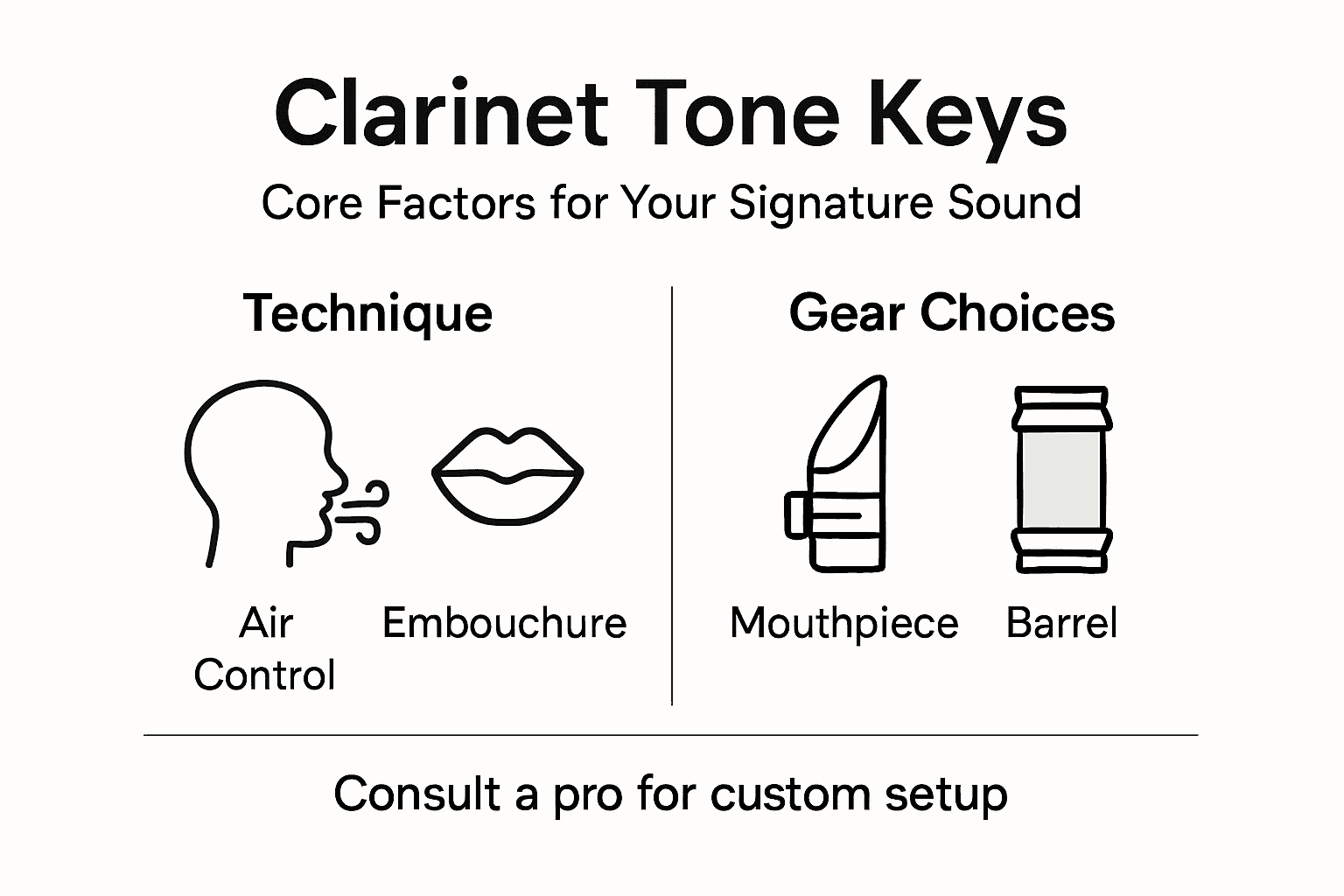
Weekly one-on-one lessons and personalized coaching enable experimentation with clarinet setups including mouthpiece selection, reed choice, and playing posture. This structured approach to tone exploration combines technical instruction with equipment consultation, creating an environment where you refine your fundamentals simultaneously with exploring new sonic possibilities. Your teacher observes not just your playing but also your embouchure formation, hand position, and breathing mechanics, then correlates those observations with how different equipment configurations respond to your technique. This feedback loop accelerates learning because you understand not just which mouthpiece sounds better, but why it sounds better given your specific physical approach. Over weeks of lessons, you gather enough data to identify patterns. Perhaps you discover that you need a mouthpiece with slightly more tip opening because your embouchure naturally forms that way, or that a longer barrel complements your preferred articulation style. Professional consultations work best when approached as extended relationships rather than one-time transactions. Building rapport with a consultant who understands your playing style, aesthetic preferences, and career goals means they can recommend increasingly refined options aligned with your evolving artistic vision.
If you lack immediate access to university-level instruction, many specialized retailers now offer trial programs and remote consultations that democratize this experience. Some retailers mail test boxes containing several mouthpieces and barrels, allowing you to trial equipment at home over a defined period before returning items you do not wish to purchase. Others conduct video consultations where you record yourself playing different setups, then the consultant reviews the recordings and provides detailed feedback via email or follow-up meetings. The investment in these consultation services typically ranges from modest fees to free consultations tied to purchases, making professional guidance increasingly accessible to clarinetists outside major music centers. Approach trials with specific goals rather than vague curiosity. Know which aspects of your current tone you want to change. Record yourself before testing new equipment so you have a baseline for comparison. Test each setup for at least 15 to 20 minutes to allow your embouchure to acclimate and reveal how the equipment performs across different dynamic ranges and registers. Keep detailed notes about your impressions, not just emotional reactions but specific observations about tone color, response speed, intonation characteristics, and physical comfort.
Pro tip: Schedule a personalized consultation specifically requesting three to five mouthpieces spanning different chamber sizes and materials, then spend 30 to 45 minutes testing each one with repertoire you know well, recording your playing and your consultant’s feedback, which creates a reference document you can review weeks later and use to guide future equipment purchases with confidence.
Common mistakes and how to avoid them
Tone customization efforts often backfire because clarinetists unknowingly sabotage their own progress through preventable mistakes. These errors fall into two categories: physical technique problems that undermine what your equipment can accomplish, and equipment choices that contradict your playing style or skill level. Understanding these pitfalls allows you to troubleshoot systematically when your tone feels stuck or disappointing. The frustrating truth is that buying an expensive mouthpiece or barrel cannot compensate for fundamental technical flaws. Conversely, flawless embouchure and air support cannot overcome equipment that genuinely conflicts with your approach. Success requires attention to both dimensions simultaneously.
Physical embouchure formation represents the most common source of tone problems, yet many clarinetists overlook it entirely when chasing equipment upgrades. Improper embouchure formation such as too much lower lip on the reed, incorrect jaw pressure, and poor mouthpiece angle cause stuffy or uncontrolled sound. The lower lip should cushion the reed without excessive coverage, typically one quarter to one third of the reed’s height. Too much lip tissue dampens reed vibration, producing muffled tones and poor response. Too little lip leaves the reed underexposed, creating brittle, squeaky sounds and intonation problems. Jaw pressure requires particular attention because many clarinetists unconsciously tighten their jaw when attempting to produce louder or darker tones. This tension restricts airflow, increases embouchure fatigue, and degrades tone quality across your entire range. The solution involves establishing a relaxed yet stable embouchure that feels consistent whether you are playing pianissimo or fortissimo. Your chin should remain flat, not pointed downward or puckered. Mouthpiece angle typically sits at roughly 45 degrees to your body, though slight personal variation exists. Recording yourself from a side angle reveals whether your embouchure forms correctly, allowing you to catch issues before they become ingrained habits. Beyond embouchure, many clarinetists fail to establish consistent air support, attempting to shape tone through embouchure tension alone. This inverted priority limits your tone range and creates unnecessary fatigue. Developing steady, controlled airflow through long tone practice and scales allows your embouchure to remain relaxed while your air support does the primary work of tone production.
Equipment mistakes typically emerge from either purchasing decisions without proper trial or from chasing equipment that contradicts your technical level. Common mistakes in clarinet tone include improper adjustment of clarinet joints such as not pushing the mouthpiece all the way in or incorrect barrel positioning, which affect overall intonation and tone production. Many clarinetists assemble their instruments carelessly, not fully seating the mouthpiece on the barrel or positioning the barrel with inconsistent depth. This inconsistency creates intonation problems that feel like tone quality issues, leading to frustrating troubleshooting cycles. Before testing a new mouthpiece or blaming your reed, verify that your instrument assembly is correct and consistent. A second common mistake involves selecting equipment based on what professional clarinetists use rather than what matches your current technique and objectives. A mouthpiece designed for advanced players requiring significant embouchure finesse becomes a liability for developing clarinetists still building fundamental control. Similarly, purchasing a barrel optimized for Viennese tradition may produce dark tones that feel unresponsive if your embouchure formation or air support does not yet possess the refinement that setup demands. Equipment choices should align with your current skill level while offering modest room to grow into, not representing a leap beyond your technical capacity.
Here’s a summary of frequent tone customization mistakes and how to address each:
| Mistake | Impact on Tone | Solution |
|---|---|---|
| Excess lower lip on reed | Muffled, stuffy sound | Adjust lip coverage, use side recording |
| Jaw tension | Fatigue, degraded quality | Practice relaxed embouchure |
| Incorrect mouthpiece angle | Intonation and control issues | Check angle, use mirror or video |
| Inconsistent instrument assembly | Unstable intonation and tone | Fully seat mouthpiece and barrel |
| Equipment above skill level | Unresponsive, difficult play | Choose matched setup, consult experts |
| Multiple variable changes at once | Confusing results | Isolate one change per trial |
Another frequent error involves changing too many variables simultaneously. You purchase a new mouthpiece and new barrel and experiment with different reed strengths all at once, then wonder why you cannot identify what actually affects your tone. This approach generates confusion rather than data. Instead, change one component at a time, allowing yourself at least one week of regular playing before evaluating results. This methodical process isolates cause and effect, teaching you exactly which equipment choices produce audible changes. Additionally, many clarinetists abandon new equipment too quickly, judging performance after only one or two practice sessions. Embouchure adaptation takes time. A mouthpiece that feels awkward initially may feel comfortable after three to five days of adjustment. Conversely, some setups genuinely do not match your playing style, and you should recognize this distinction. Overpracticing with uncomfortable equipment risks developing tension and bad habits, so balance persistence with honest self-assessment. Finally, avoid the trap of assuming that more expensive equipment automatically produces better tone. Price correlates loosely with quality. A moderately priced mouthpiece perfectly suited to your technique outperforms an expensive one that contradicts your physical approach. Consult with specialists who know your playing, test extensively, and make decisions based on audible results rather than price tags or brand reputation.
Pro tip: Before purchasing any new equipment, record yourself playing the same passage using your current setup, then have a teacher or experienced colleague listen and identify specific tone qualities they want you to address (such as more warmth, improved response, or darker color), which gives you measurable goals to guide equipment trials rather than vague dissatisfaction.
Discover Your Signature Clarinet Tone with Expert Equipment and Guidance
Achieving the perfect clarinet tone requires more than luck or just any equipment. As the article highlights, mastering your air support, embouchure formation, and the responsiveness of your reed is essential. The challenge many clarinetists face is finding mouthpieces and barrels that truly complement their technique while allowing personalized tonal expression rooted in traditions like the Viennese sound. If you struggle with inconsistent tone, muffled sound, or want to explore darker, warmer tonal colors, you need carefully crafted gear designed to work with your embouchure and air control rather than against it.

At My Clarinet Stuff, we specialize in curated clarinet components including professional Gleichweit mouthpieces, barrels, and test boxes that enable you to trial multiple setups and isolate the changes that refine your sound. Combine this with our personalized consultation services to receive expert advice tailored precisely to your technical level and sonic goals. Whether you are exploring Viennese-style mouthpieces or need accessories that enhance comfort and stability, our platform offers detailed product descriptions and customizable options to empower your tone customization journey. Don’t let improper equipment block your progress or fatigue your embouchure. Start your transformation today by visiting My Clarinet Stuff to explore high-end clarinet solutions designed for serious clarinetists aiming to unlock their best sound.
Frequently Asked Questions
How can I customize my clarinet tone effectively?
To customize your clarinet tone, focus on three core elements: air control, embouchure formation, and reed responsiveness. Practicing long tones, scales, and articulation exercises helps you develop these skills.
What factors should I consider when choosing a mouthpiece for tone customization?
Consider the material, chamber size, tip opening, and design of the mouthpiece. Each of these variables affects the tonality and responsiveness of the instrument, helping you align with your sonic goals.
How does the barrel of a clarinet influence the sound?
The barrel affects intonation, tone color, and overall response. Longer barrels typically provide more control over tuning and tonal nuances, while shorter barrels may enhance warmth in sound.
What common mistakes should I avoid while customizing my clarinet tone?
Avoid improper embouchure formation, inconsistent instrument assembly, and changing too many equipment variables at once. Focus on maintaining a relaxed embouchure with steady air support, and make one change at a time for clearer results.
Recommended
- Clarinet Sound Tradition: Shaping Your Tone Heritage – My Clarinet Stuff
- Clarinet Sound Flexibility: Boosting Expressive Range – My Clarinet Stuff
- Radovan Cavallin – My Clarinet Stuff
- Clarinet Mouthpiece History: The Essential Guide – My Clarinet Stuff
- Crafting Your Signature Tone: Tips to Emulate Guitarists