
Every experienced musician knows that clarinet response goes far beyond breath strength or instrument choice. For American clarinetists pushing technical limits, understanding the interplay of airflow, reed vibration, and mouthpiece design is crucial. This guide breaks down the physics behind clarinet response, exposing common myths and delivering practical insight for optimizing performance with advanced equipment. Discover how subtle adjustments shape the dynamic sound profile and unlock expressive possibilities on stage.
Table of Contents
- Clarinet Response Defined And Common Myths
- Factors Shaping Clarinet Response And Feel
- Mouthpiece, Barrel, And Reed Influence
- Response Variations For Genres And Styles
- Troubleshooting Poor Response And Mistakes
- Optimizing Response For Professional Playing
Key Takeaways
| Point | Details |
|---|---|
| Clarinet Response Complexity | It involves the interaction of airflow and the mechanical components of the instrument, particularly the reed and mouthpiece. |
| Nuanced Technique Over Power | Optimal sound production requires controlled air pressure, not simply blowing harder or softer. |
| Influence of Components | The mouthpiece, barrel, and reed are crucial in shaping the clarinet’s response and sound quality. |
| Adaptation Across Genres | Different musical styles demand varying technical approaches and response characteristics from the player. |
Clarinet response defined and common myths
Clarinet response represents the intricate interaction between a player’s airflow and the instrument’s mechanical components, particularly the reed and mouthpiece system. Fundamental acoustic principles reveal how steady air transforms into vibrating sound waves within the clarinet’s structure.
The complex mechanism of clarinet response involves several key dynamics:
- Reed vibration triggered by controlled air pressure
- Precise interaction between reed closure and air column resonance
- Dynamic balance between blowing technique and instrument design
- Mechanical translation of player input into acoustic output
Many musicians misunderstand clarinet response, believing it’s simply about blowing harder or softer. In reality, sound production requires nuanced pressure control within an extremely narrow range. Too little pressure prevents reed oscillation, while excessive force stops vibration entirely.
Clarinet response is not about raw power, but about finding the perfect balance between player technique and instrument mechanics.
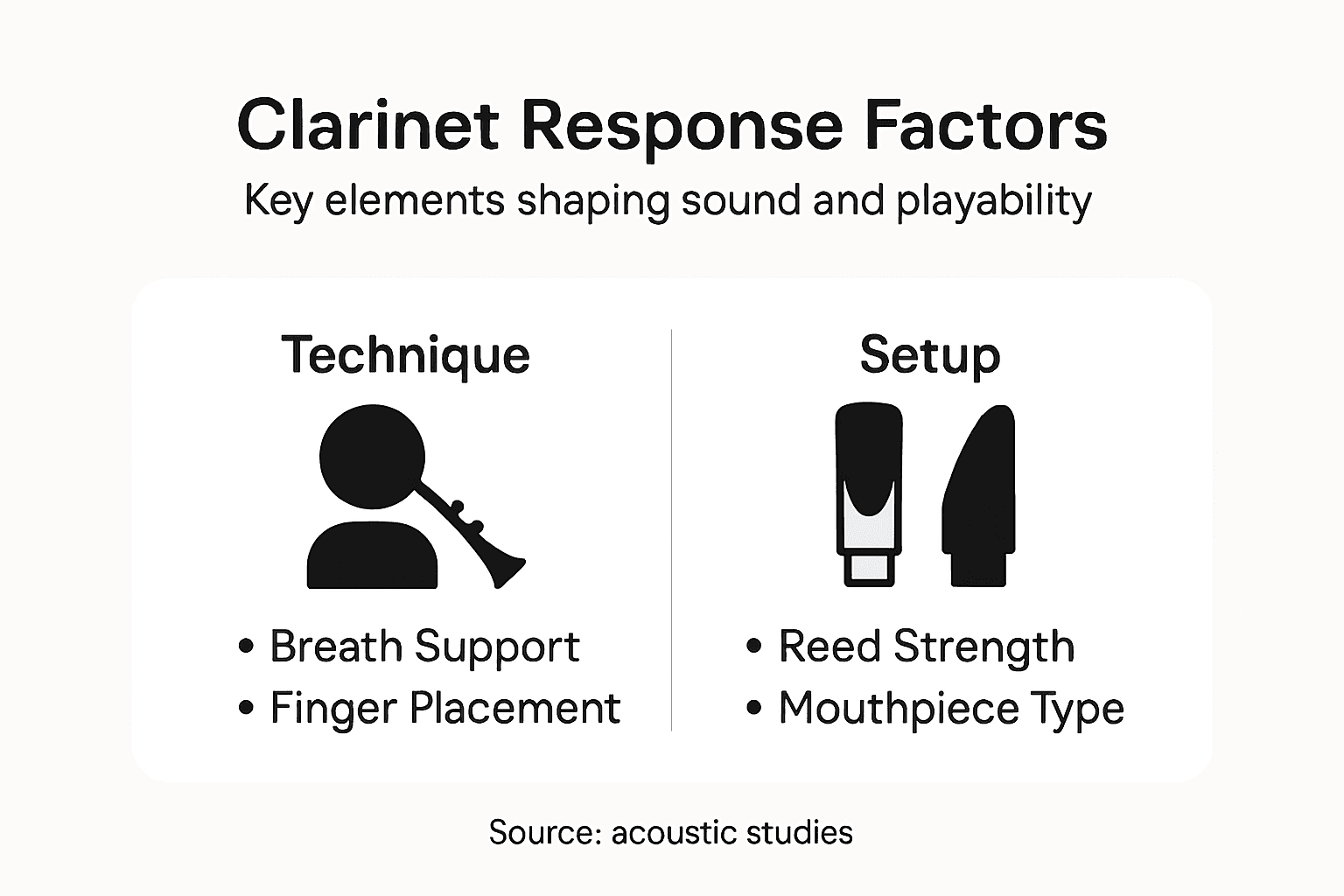
Common myths surrounding clarinet response often stem from incomplete understanding of its acoustic principles. Comprehensive acoustic studies demonstrate that response depends on multiple interconnected factors, including bore dimensions, tone hole placement, and reed properties.
Pro tip: Develop your clarinet response by practicing consistent, controlled breath support and experimenting with different reed strengths to find your optimal playing range.
Factors shaping clarinet response and feel
Multiple interconnected elements determine a clarinet’s response and playing feel, with acoustic components playing a critical role in translating player technique into sound. The interaction between human physiology and instrument mechanics creates a complex system of musical expression.
Key factors influencing clarinet response include:
- Embouchure stability and muscle control
- Air pressure and breath support consistency
- Reed and mouthpiece configuration
- Finger placement and transition precision
- Individual player’s physical characteristics
- Instrument bore and acoustic design
The physical mechanics of clarinet response revolve around precise energy transfer. Reed vibration depends on a delicate balance of air pressure, with musicians needing to modulate their technique to achieve optimal sound production. Slight variations in breath control can dramatically alter the instrument’s acoustic output.
Professional clarinetists understand that response is a nuanced dialogue between player and instrument, not just about technical proficiency.
Players must develop an intuitive understanding of how technique influences acoustic performance. This involves mastering subtle muscular adjustments, maintaining consistent embouchure tension, and developing muscle memory that allows seamless translation of musical intention into sound.
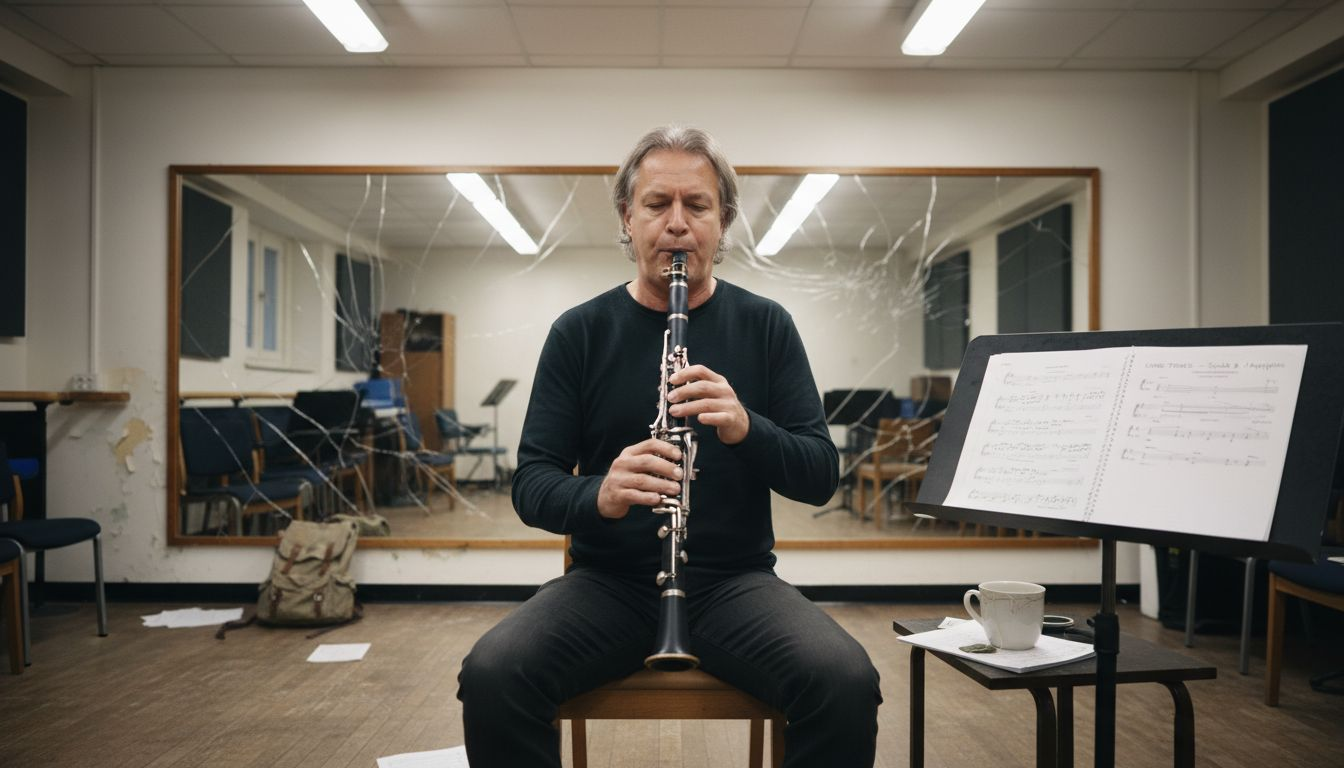
Pro tip: Practice long tones with focused breath control to develop a more responsive and consistent clarinet technique.
Mouthpiece, barrel, and reed influence
Acoustic components fundamentally shape clarinet response, with the mouthpiece, barrel, and reed working together as a precision sound generation system. Each component plays a critical role in translating player technique into musical expression, creating a complex interaction of mechanical and acoustic principles.
Key components influencing clarinet response include:
- Mouthpiece design affecting sound projection
- Reed strength and vibration characteristics
- Barrel internal geometry
- Material composition of each component
- Manufacturing precision and tolerances
- Individual player’s technique and physical attributes
Reed vibration represents the primary energy source for sound production. Different reed strengths and profiles dramatically alter the instrument’s acoustic performance. Soft reeds require less air pressure to vibrate, while harder reeds demand more precise control and offer increased tonal stability.
The relationship between mouthpiece, reed, and barrel is a delicate balance of acoustic engineering and musical artistry.
Detailed acoustical analysis reveals how minute variations in mouthpiece tip opening, barrel taper, and reed flexibility can transform the clarinet’s sound characteristics. Professional musicians carefully select and match these components to achieve their desired tonal palette and playing responsiveness.
Pro tip: Experiment with different reed strengths and mouthpiece configurations to discover your optimal sound and playing comfort.
Here is a summary of how key clarinet components affect response and sound:
| Component | Influence on Response | Impact on Sound Quality |
|---|---|---|
| Mouthpiece | Alters airflow and projection | Shapes overall tone and clarity |
| Barrel | Adjusts resonance and tuning | Affects warmth and focus |
| Reed | Controls vibration sensitivity | Modifies articulation and color |
| Instrument Bore | Shapes internal acoustics | Impacts timbre and evenness |
Response variations for genres and styles
Musical genres dramatically transform clarinet response, requiring musicians to adapt their technical approach and instrument setup to meet diverse performance demands. Each musical style places unique acoustic and technical requirements on the instrument, challenging players to master nuanced response characteristics.
Clarinetists must navigate distinct response expectations across different musical contexts:
- Classical orchestral performance: Demands precise, consistent tone across registers
- Jazz improvisation: Requires flexible articulation and tonal manipulation
- Klezmer: Emphasizes expressive, vocalized sound with quick pitch variations
- Contemporary classical: Explores extended techniques and unconventional sound production
- Folk and world music: Adapts to regional playing techniques and stylistic nuances
Articulation techniques play a crucial role in genre-specific response. Classical musicians prioritize smooth legato transitions, while jazz players exploit percussive, staccato attacks that create rhythmic texture. Each approach requires different embouchure control and air support strategies.
Musical style is not just about notes, but about transforming the clarinet into a living, breathing voice of expression.
Professional clarinetists invest significant time understanding how instrument setup, reed selection, and playing technique must evolve across different musical landscapes. The ability to seamlessly transition between genres represents a hallmark of true instrumental mastery.
Pro tip: Develop your versatility by studying multiple musical styles and deliberately practicing their unique response characteristics.
Compare how different musical genres shape clarinet technique and response:
| Genre | Technical Focus | Required Adaptation |
|---|---|---|
| Classical | Smooth, stable tone | Seamless register transitions |
| Jazz | Flexible articulation | Fast dynamic changes |
| Klezmer | Expressive pitch bending | Quick, dramatic phrasing |
| Contemporary | Extended, unique effects | Unconventional sound control |
Troubleshooting poor response and mistakes
Common clarinet response problems can dramatically impact a musician’s performance, requiring systematic diagnostic approaches to identify and resolve technical challenges. Understanding the root causes of poor response is crucial for maintaining consistent musical expression and technical proficiency.
Most frequent response issues include:
- Weak tone production
- Inconsistent articulation
- Unexpected squeaks and air sounds
- Difficulty playing in specific registers
- Uneven dynamic control
- Reed vibration inconsistencies
Air support represents the fundamental mechanism underlying most response problems. Players often struggle with maintaining steady, controlled airflow, which directly impacts reed vibration and sound quality. Excessive jaw pressure, inconsistent tongue placement, and improper embouchure formation can create significant technical barriers.
Solving clarinet response issues requires patience, systematic practice, and a willough to critically analyze your playing technique.
Professional diagnostic strategies emphasize the importance of methodical troubleshooting. Musicians should systematically examine their equipment, physical technique, and practice habits to identify and resolve response limitations. This might involve experimenting with different reed strengths, adjusting mouthpiece placement, or refining articulation techniques.
Pro tip: Record yourself playing and critically analyze the audio to identify subtle response inconsistencies that might not be apparent during performance.
Optimizing response for professional playing
Professional-level clarinet performance demands a systematic approach to developing precise technical skills and muscle memory. Musicians must cultivate a deep understanding of the intricate relationship between physical technique and acoustic output.
Critical elements for professional response optimization include:
- Embouchure muscle control
- Consistent breath support techniques
- Advanced finger dexterity
- Precise articulation methods
- Equipment customization
- Mental focus and performance preparation
Muscle memory represents the foundation of professional-level response. Advanced players develop intricate neurological pathways through targeted, repetitive practice that transforms complex technical movements into seemingly effortless musical expression. This requires dedicated, mindful practice that goes beyond simple mechanical repetition.
Professional clarinet response is less about perfection and more about developing a nuanced, dynamic conversation between musician and instrument.
Performance techniques at professional levels emphasize holistic development. This includes maintaining relaxed physical posture, developing consistent air pressure control, and creating a flexible approach to sound production that can adapt to various musical contexts and performance demands.
Pro tip: Develop a daily practice routine that systematically targets different aspects of technical response, rotating focus between breath control, articulation, and dynamic range.
Elevate Your Clarinet Response with Expert Equipment and Guidance
The journey to mastering clarinet response involves finding the perfect balance between breath control, reed vibration, and precision mouthpiece and barrel setups. If you want to overcome challenges like inconsistent articulation, weak tone production, or poor sound projection, investing in high-quality, carefully crafted components is essential. At My Clarinet Stuff, we provide an exclusive selection of professional-grade mouthpieces, barrels, and accessories designed to enhance your playing feel and acoustic output.

Discover how our specialized offerings, including custom mouthpieces rooted in the Viennese sound tradition and a variety of reed-compatible components, can transform your clarinet response. Each item is made with meticulous attention to detail to help you achieve a more dynamic, responsive sound. Take control of your musical expression today by exploring our curated catalog and personalized consultation services at My Clarinet Stuff. Elevate your sound and playability with equipment tailored to your unique technique and musical goals.
Frequently Asked Questions
What is clarinet response?
Clarinet response is the interaction between a player’s airflow and the instrument’s mechanical components, particularly the reed and mouthpiece system. It affects how sound is produced and controlled on the clarinet.
How do different reeds affect clarinet response?
Different reed strengths and profiles significantly impact a clarinet’s acoustic performance. Softer reeds require less air pressure to vibrate, while harder reeds need more precise control and offer increased tonal stability.
What are common issues with clarinet response and how can they be fixed?
Common issues include weak tone production, inconsistent articulation, and squeaks. Addressing these often requires inspecting airflow, embouchure stability, and practicing consistent breath support techniques.
How can I optimize my clarinet response for professional playing?
To optimize clarinet response, focus on developing embouchure muscle control, maintaining consistent breath support, and practicing precise articulation methods. Customizing equipment and practicing systematically will also enhance playability.
Recommended
- Clarinet Mouthpiece Refacing Explained: Complete Guide – My Clarinet Stuff
- Clarinet Sound Flexibility: Boosting Expressive Range – My Clarinet Stuff
- Clarinet Mouthpiece History: The Essential Guide – My Clarinet Stuff
- When to Replace Your Clarinet Mouthpiece
- Nylon strings vs. carbon strings: Understanding the difference.