
TL;DR:
- Consultation helps clarify a clarinetist’s unique needs by evaluating embouchure, equipment, and playing style. It prevents costly mistakes and promotes long-term comfort by guiding personalized mouthpiece choices. Regular reassessment ensures ongoing optimal fit as a player’s skills and preferences develop.
Consultation for custom mouthpieces is the process of working with an expert to match a mouthpiece to your specific embouchure, playing style, and musical goals. No universal best mouthpiece exists. Mouthpiece selection is highly individualized, shaped by personal factors like reed strength, jaw structure, and the genre you play. The role of consultation in custom mouthpieces is to cut through that complexity and give you a starting point grounded in your actual needs, not marketing claims or forum recommendations.
How does consultation assess a clarinetist’s individual needs?
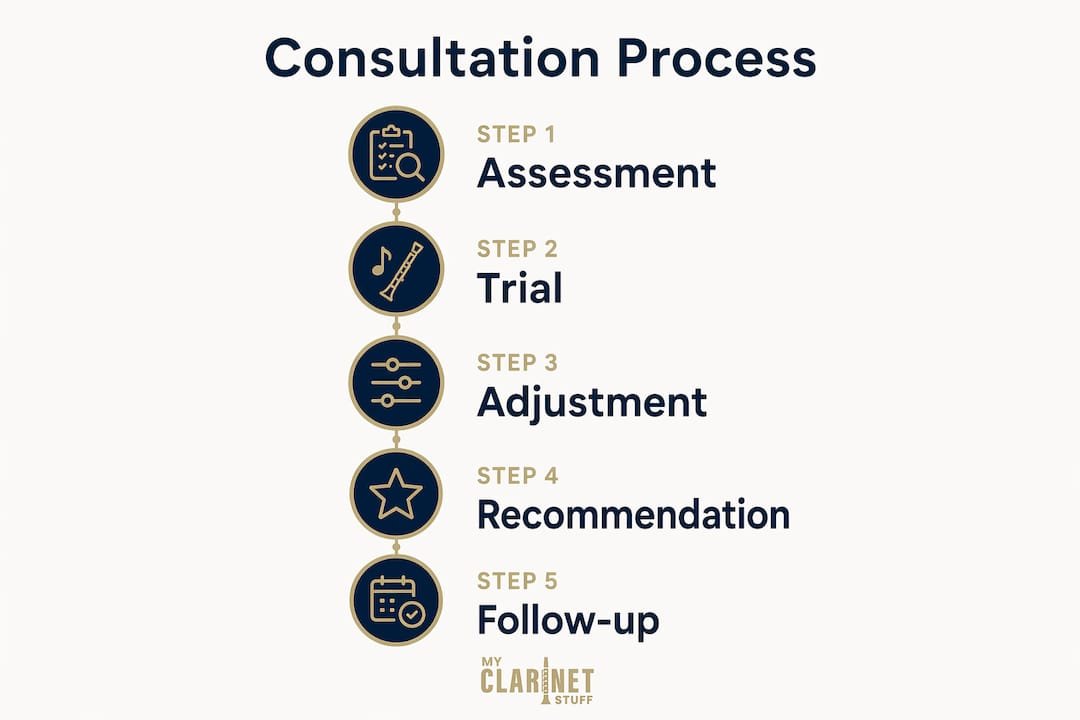
A consultation begins with observation. An experienced consultant watches you play, listens to your tone, and asks targeted questions about your repertoire, reed preferences, and any discomfort you experience. This is not a sales conversation. Consultations blend performance insight with technical expertise to evaluate how your embouchure interacts with the mouthpiece you currently use.
The factors a consultant evaluates typically include:
- Embouchure shape and pressure. How you form your mouth around the mouthpiece directly affects tone color and endurance.
- Reed strength and brand. A mouthpiece that works beautifully with a Vandoren 3.5 reed may feel unresponsive with a softer reed from a different maker.
- Playing style and genre. Classical players generally need a focused, centered tone. Jazz players often want more edge and flexibility. The mouthpiece geometry that serves one goal can actively work against the other.
- Physical comfort. Jaw fatigue, bite pressure, and lip soreness are diagnostic signals, not just inconveniences.
- Current equipment setup. The barrel, ligature, and even the instrument body interact with the mouthpiece in ways that affect the overall result.
During the session, a good consultant will have you try multiple mouthpieces and adjust your setup on the spot. Small mechanical tweaks from consultation often improve comfort and performance more than a full mouthpiece replacement. That is a key insight most players miss. Swapping gear feels decisive, but a ligature adjustment or a reed pairing change can solve the same problem faster and cheaper.
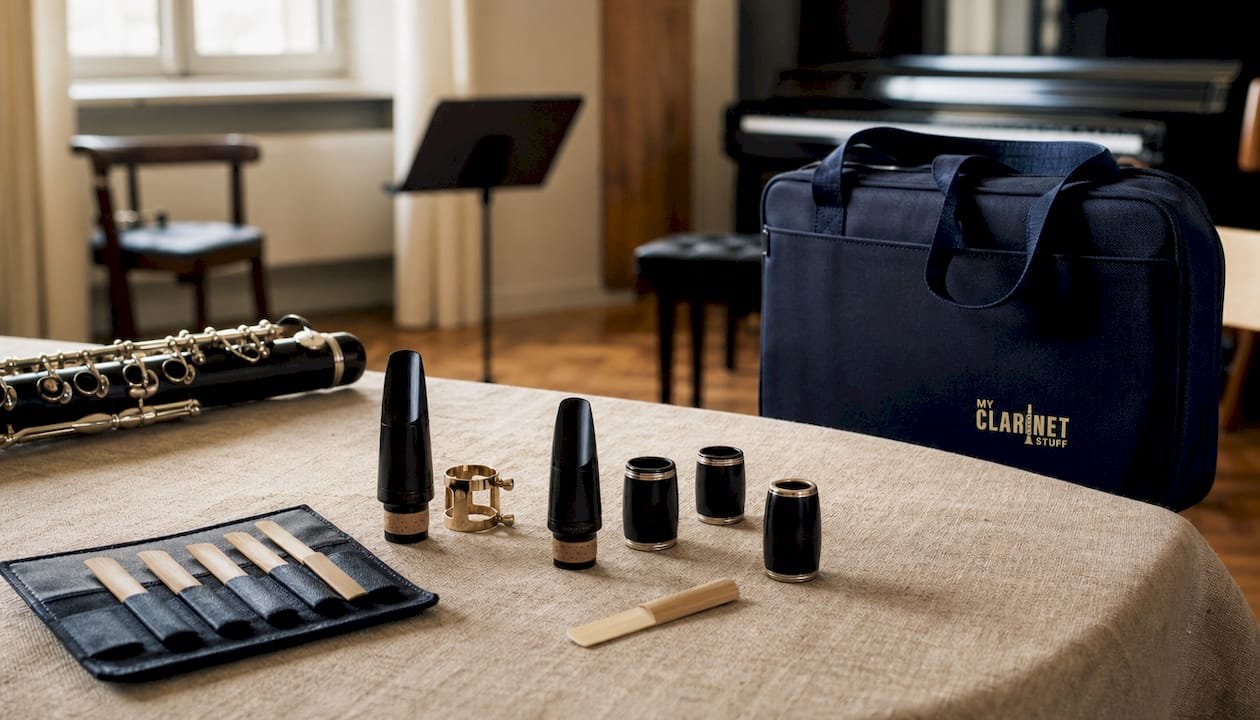
Pro Tip: Bring your current reeds, ligature, and barrel to every consultation. Testing a new mouthpiece with your actual setup gives the consultant accurate data. Testing it with borrowed equipment gives you a result you cannot reproduce at home.
What are the real benefits of consulting before choosing a mouthpiece?
The clearest benefit is avoiding a costly mistake. Changing mouthpieces without proper testing and consultation leads to mismatched equipment and poor playing results. Many clarinetists have a drawer full of mouthpieces they bought based on a recommendation that did not account for their specific setup. Consultation prevents that accumulation.
Beyond cost savings, the benefits of expert advice on custom mouthpieces include:
- Improved tone and intonation. A mouthpiece matched to your embouchure produces a more centered pitch center and a more consistent tone across registers.
- Better articulation. The tip opening and facing length of a mouthpiece affect how cleanly you can tongue. A consultant can identify whether your articulation issues come from technique or equipment.
- Embouchure health. A mouthpiece that requires excessive bite pressure to stay in tune causes long-term jaw strain. Consultation catches this early.
- Informed decision-making. Players who go through a consultation understand why a mouthpiece works for them. That knowledge transfers to every future purchase.
One underappreciated benefit involves proprioception. Mechanical feedback through teeth and skull influences how players perceive sound changes more than the actual acoustic output. This means you can feel like a mouthpiece sounds better when the acoustic difference is minimal. A consultant helps you distinguish what you feel from what the audience actually hears. That distinction is worth more than any single piece of gear.
Common misconceptions about mouthpiece consultation
Several myths keep clarinetists from seeking the expert advice they need. Addressing them directly makes the consultation process easier to trust.
-
“There is a best mouthpiece, and I just need to find it.” The biggest misconception is searching for a ‘magic bullet’ mouthpiece. Consultation exists to redirect that search toward what fits your physiology and artistic goals, not what gets the most attention online.
-
“Consultation is just a sales pitch.” A genuine consultation is a diagnostic process. The goal is to identify what works for you, which sometimes means recommending you keep your current mouthpiece and adjust your reed or ligature instead.
-
“Once I find the right mouthpiece, I am done.” Players’ needs and preferences evolve over time. A mouthpiece that fits a student’s embouchure at age 16 may not serve a professional’s needs at 30. Consultation is a recurring process, not a one-time event.
-
“I can figure this out from reviews and forums.” Online reviews describe someone else’s embouchure, someone else’s reeds, and someone else’s musical context. They are useful for narrowing options, but they cannot replace a session where an expert watches you play.
“The mouthpiece that works for you is the one that fits your mouth, your reeds, and your music. No amount of research replaces the moment someone watches you play and tells you what they actually hear.”
That quote captures why personalized mouthpiece consultation exists. The goal is not to sell you something. The goal is to give you information you cannot get from a product page.
Practical tips to get the most from your mouthpiece consultation
Preparation determines how much value you take away from a consultation session. A player who arrives with clear goals and their full setup gets specific, useful feedback. A player who arrives with vague complaints gets general advice.
-
Write down your goals before you go. Are you working on projection in a large hall? Struggling with intonation in the upper register? Experiencing jaw fatigue after 45 minutes of playing? Specific problems produce specific solutions.
-
Bring your full setup. Your instrument, your usual reeds, your ligature, and your current mouthpiece all belong in the room. Players who arrive prepared with their repertoire and reeds get better tailored advice from the session.
-
Play something you know well. A familiar piece or etude lets the consultant hear your actual sound, not a distracted performance of something you are still learning.
-
Stay open to unexpected results. A consultant may recommend a mouthpiece with a smaller tip opening than you expected, or suggest you try a harder reed before changing the mouthpiece at all. Follow the recommendation and test it seriously before dismissing it.
-
Take notes during and after the session. Write down what you tried, what felt different, and what the consultant observed. Memory fades fast, especially when you are processing new physical sensations.
-
Plan for follow-up. A single session rarely answers every question. Ongoing reassessment maintains optimal fit and comfort as your playing develops. Schedule a follow-up after you have lived with the recommendation for four to six weeks.
Pro Tip: Record yourself playing your current mouthpiece before the consultation, then record yourself again after trying the recommended option. Listening back removes the proprioceptive bias and lets you evaluate the actual tonal difference.
Understanding mouthpiece profiling techniques also helps you ask better questions during a session. When you know what facing length and tip opening mean, you can have a real conversation about why one mouthpiece feels more responsive than another.
Key Takeaways
Consultation is the most reliable method for matching a custom mouthpiece to your embouchure, playing style, and musical goals, and it reduces both costly mistakes and long-term discomfort.
| Point | Details |
|---|---|
| No universal best mouthpiece | Selection depends on embouchure, reed strength, genre, and physical comfort. |
| Consultation is diagnostic, not promotional | A good consultant evaluates your setup and may recommend adjustments over a new purchase. |
| Proprioception can mislead you | What you feel through your teeth differs from what the audience hears; a consultant separates the two. |
| Preparation multiplies value | Arriving with your full setup, clear goals, and specific questions produces specific, useful feedback. |
| Consultation is ongoing | Your needs evolve as your playing develops, making periodic reassessment necessary. |
Why I think most players wait too long to seek consultation
I have watched clarinetists spend years rotating through mouthpieces, convinced the next one will solve the problem. The pattern is always the same. They read a forum thread, order something, feel a brief improvement, then plateau. Six months later the cycle repeats.
The uncomfortable truth is that most of those players needed a consultation after their first mouthpiece, not their fifth. The issues they were chasing, tone spread in the upper register, jaw fatigue after an hour, intonation that drifts sharp in the chalumeau, are almost always diagnosable in a single session. The mouthpiece is rarely the only variable. Reed pairing, ligature pressure, and embouchure habits all interact with the mouthpiece in ways that only become visible when someone watches you play.
What I find most valuable about consultation is not the mouthpiece recommendation itself. It is the education. Players who go through a thorough session understand their own setup in a way that makes every future decision faster and cheaper. They stop chasing hype and start asking the right questions. That shift in how a player relates to their equipment is worth more than any single mouthpiece upgrade.
The relationship between a clarinetist and their mouthpiece is genuinely lifelong. Treat consultation the same way. One session is a starting point, not a conclusion.
— Milos
Myclarinetstuff and personalized mouthpiece guidance
Myclarinetstuff was built around the idea that clarinetists deserve more than a product listing. Gleichweit mouthpieces are precision CNC-crafted in Austria and designed to deliver consistent performance across classical, jazz, and folk styles. But the right mouthpiece still depends on the player.
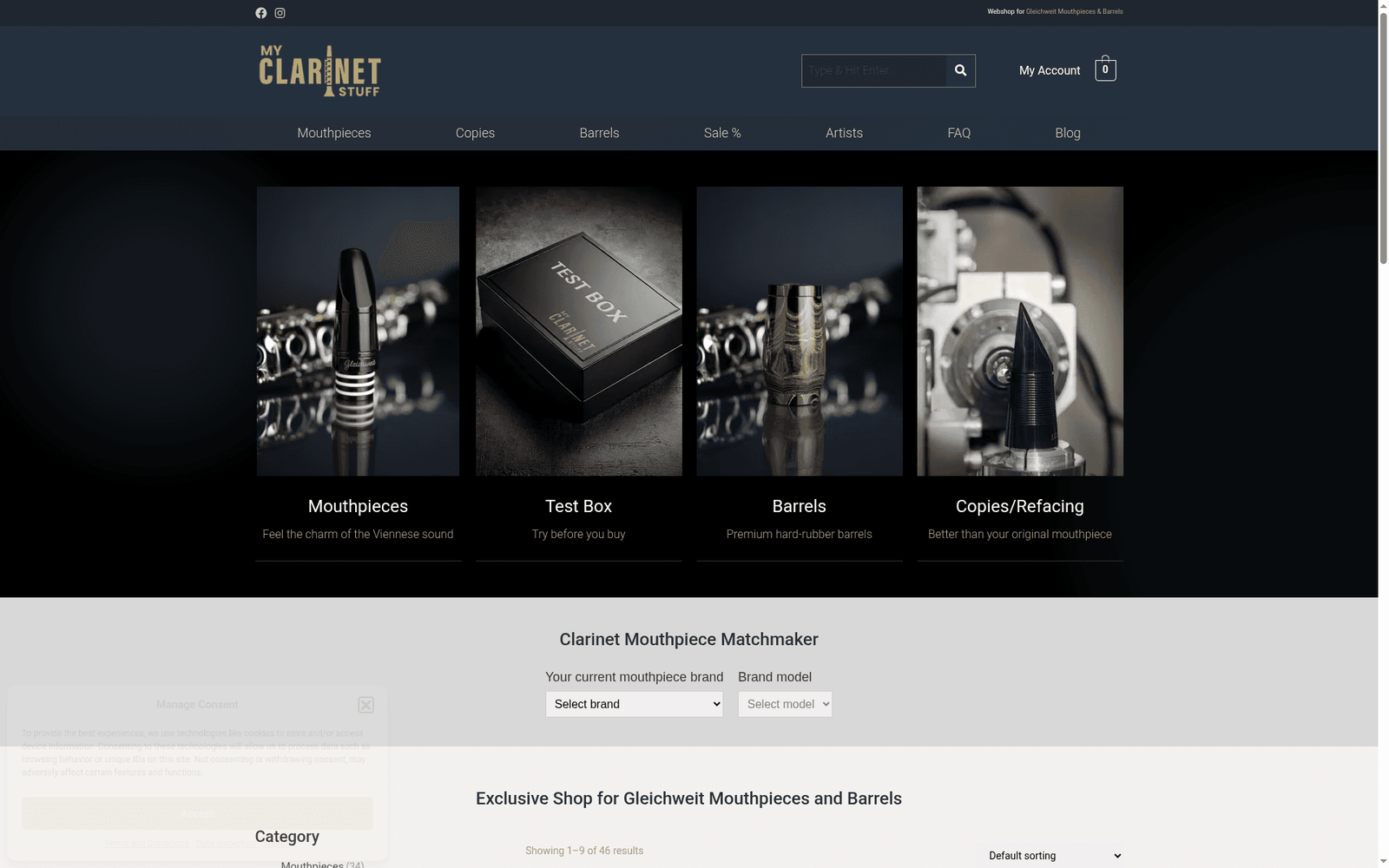
The Clarinet Mouthpiece Matchmaker at Myclarinetstuff walks you through a structured selection process based on your playing level, genre, and setup. For players who want to go deeper, the mouthpiece selection tips guide covers the key variables that consultants evaluate. Myclarinetstuff also offers an at-home test box program so you can try Gleichweit mouthpieces in your own practice environment before committing.
FAQ
What does a custom mouthpiece consultation involve?
A consultation involves an expert observing you play, evaluating your embouchure, reed setup, and tone, and recommending mouthpiece options matched to your specific needs. It may also include on-the-spot adjustments to your current setup.
How often should clarinetists seek mouthpiece consultation?
Players’ needs evolve over time, so consultation works best as a recurring process rather than a one-time event. A follow-up every one to two years, or after a significant change in playing level or repertoire, keeps your setup current.
Can consultation replace trying mouthpieces in person?
Consultation and hands-on testing work together. A consultant guides which mouthpieces are worth testing based on your profile, which saves time and reduces the risk of buying equipment that does not fit your setup.
Is consultation only useful for advanced players?
Consultation benefits players at every level. Students who get early guidance develop better embouchure habits and avoid equipment mismatches that can slow their progress for years.
Does consultation guarantee I will find the right mouthpiece immediately?
Consultation narrows the field significantly and gives you a well-reasoned starting point, but some players need a follow-up session after living with a recommendation for several weeks to confirm the fit.