


A quick rinse after every session plus a weekly brush-and-soap deep clean is the single most effective mouthpiece maintenance routine you can follow. That two-step habit, taking no more than 90 seconds daily and about 15 minutes weekly, keeps biofilm, mineral deposits, and odor from building up while protecting the facing, tip rail, and any plating on your mouthpiece.
What you need for both routines:
- Mouthpiece brush (tapered bristle style)
- Mild dish soap (unscented, no abrasives)
- Soft lint-free cloth
- Small container or cup for soaking
- Cotton swabs for tight spots
Pro Tip: Never return a wet mouthpiece to a closed case. Trapped moisture accelerates mold growth and, on ebonite, can trigger oxidation and discoloration.
Key Takeaways
Consistent daily rinsing and a weekly brush-and-soap clean are the two habits that protect mouthpiece hygiene, material integrity, and long-term playability.
| Point | Details |
|---|---|
| Daily rinse and wipe | Rinse under lukewarm water and wipe dry after every session; takes under 90 seconds. |
| Weekly brush-and-soap clean | Soak briefly, brush from shank to tip, rinse thoroughly, and dry cup-down before storing. |
| Vinegar caution for plating | A 1:1 vinegar soak works for mineral deposits but must never be used on gold-plated mouthpieces. |
| Never boil or bleach | Boiling and bleach damage finishes and hybrid materials; soap and water is always the safe baseline. |
| Dry fully before storing | A wet mouthpiece returned to a closed case develops mold and odor; allow 20–30 minutes of open-air drying. |
Table of Contents
- 1. What does a proper daily mouthpiece care routine look like?
- 2. How do you deep clean a mouthpiece step by step?
- 3. Which cleaning rules apply to your specific mouthpiece material?
- 4. What disinfectants are safe, and what should you never use?
- 5. When should you seek professional cleaning or replace your mouthpiece?
- 6. How should you dry and store your mouthpiece to prevent damage?
- 7. Why does the brush-and-soap method work? Expert rationale
- 8. What shortcuts and habits actually work in daily practice?
- Sources
1. What does a proper daily mouthpiece care routine look like?
After every playing session, a brief daily routine prevents the vast majority of long-term hygiene problems. Caring for single-reed mouthpieces recommends daily moisture removal as the baseline habit for woodwind players.
- Remove the reed and ligature before doing anything else.
- Rinse the mouthpiece under lukewarm water briefly, letting water flow through the bore.
- Shake out excess water gently, then wipe the exterior with a soft lint-free cloth.
- Set the mouthpiece cup-down on a clean surface and let it air-dry fully before capping or casing.
Pro Tip: Keeping a dedicated microfiber cloth in your case lid means you never skip the wipe-down step. Pair it with your clarinet reed care workflow so reed and mouthpiece hygiene become one seamless habit.
2. How do you deep clean a mouthpiece step by step?
Once a week (or more often for shared instruments), a full brush-and-soap clean removes biofilm and limescale that a quick rinse cannot reach. NFHS/NAMM/NAfME/ISM guidance identifies mechanical cleaning with a brush and mild soap as the primary and most important method for mouthpiece hygiene.
Step-by-step deep clean:
- Remove the reed and ligature; set them aside.
- Fill a small container with lukewarm water and a drop of mild dish soap.
- Submerge the mouthpiece and let it soak briefly (skip the soak for gold-plated pieces; brush directly).
- Insert the mouthpiece brush from the shank end, scrub through to the tip, and rotate gently.
- Use a cotton swab to clean the side rails and the window area.
- Rinse thoroughly under lukewarm running water until no soap remains.
- Dry cup-down on a lint-free cloth; allow full air-dry before storing.
For mineral deposits, a 1:1 white vinegar and water soak of 10–15 minutes before brushing is effective, per The Pond Music’s trumpet mouthpiece guide. Do not use this soak on gold-plated mouthpieces.
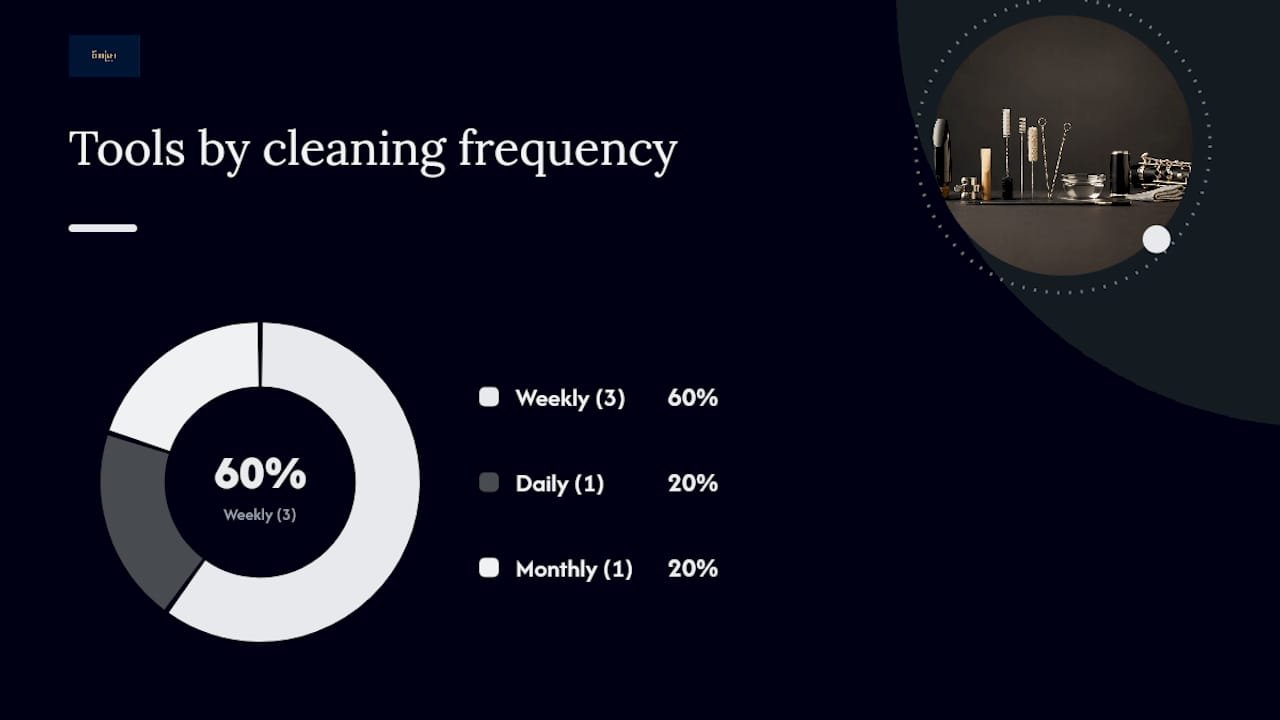
| Tool | Purpose | Frequency | Material note |
|---|---|---|---|
| Mouthpiece brush | Removes biofilm from bore | Weekly | Safe for all materials |
| Mild dish soap | Breaks down oils and debris | Weekly | Unscented, non-abrasive only |
| Lint-free cloth | Exterior wipe and drying | Daily | Avoid terry cloth (scratches) |
| Cotton swab | Cleans rails and window | Weekly | Gentle pressure only |
| 1:1 vinegar solution | Dissolves mineral deposits | Monthly or as needed | Avoid on gold-plated pieces |
Pro Tip: Before the soak, slide the ligature off the mouthpiece and set corks aside. Prolonged water exposure can swell cork and loosen adhesive on some ligature pads.
3. Which cleaning rules apply to your specific mouthpiece material?
Material determines what you can safely do, and getting this wrong causes permanent damage. Here is a breakdown by type:
Metal mouthpieces (silver, brass, stainless): Mild soap and a brush are safe.
Silver-plated mouthpieces: A short vinegar soak (under 10 minutes) is generally tolerable, but rinse immediately and thoroughly. Prolonged acid contact dulls the plating.
Gold-plated mouthpieces: Avoid all acid soaks, including vinegar. Acid strips gold plating quickly and irreversibly. Stick to soap, water, and a soft brush only.
Hard rubber / ebonite mouthpieces: The Instrumentalist is clear that heat triggers oxidation and discoloration in ebonite. Keep water at body temperature or just above, never hot. Avoid alcohol wipes on ebonite; alcohol accelerates surface degradation. NAfME guidance recommends a 50:50 vinegar or hydrogen peroxide soak for hard rubber when deeper cleaning is needed, with careful attention to timing.
Plastic and synthetic mouthpieces: Generally the most forgiving. Mild disinfectants and soap are safe. Gleichweit’s CNC-crafted synthetic mouthpieces, for example, tolerate standard cleaning routines without the oxidation risk of ebonite, making the care workflow simpler to maintain consistently.
Gold plating is permanent only until you expose it to acid. A single 15-minute vinegar soak can strip visible plating from a gold-plated mouthpiece. When in doubt, soap and water is always the safe choice regardless of material.
4. What disinfectants are safe, and what should you never use?
Disinfectants are a secondary step, not a replacement for mechanical cleaning. NFHS/NAMM/NAfME/ISM guidelines state explicitly: disinfectants do not remove dirt and must be applied only after thorough cleaning.
Safe options (used sparingly):
- 70% isopropyl alcohol wipes on external metal surfaces
- Sterisol or Mi-T-Mist where the manufacturer recommends them
- Diluted hydrogen peroxide (50:50) for hard rubber, per NAfME
Never use these:
- Boiling water: Harrison/Wedge Mouthpieces confirms that boiling is unnecessary and can warp hybrid mouthpieces or damage finishes
- Household bleach or chlorine-based cleaners
- Dishwasher detergent or dishwasher heat cycles
- Prolonged alcohol soaking on hard rubber or ebonite
A disinfectant applied to a dirty mouthpiece is largely ineffective. Biofilm and debris physically shield bacteria from chemical agents. Brush and soap first, every time, then disinfect if the situation calls for it.
5. When should you seek professional cleaning or replace your mouthpiece?
Some problems go beyond what a brush and vinegar can fix. Recognizing those signs early saves you from playing on a compromised mouthpiece.
Signs you need professional service:
- Persistent odor after two rounds of vinegar soak and scrubbing
- Visible pitting, corrosion, or plating loss on the bore or shank
- Structural cracks near the tip rail or beak
- A warped or chipped facing that affects response and intonation
Ultrasonic cleaning, available through many instrument repair shops, uses high-frequency vibration to dislodge deep mineral deposits and biofilm from areas a brush cannot reach. It is appropriate when standard cleaning fails to remove buildup or odor, and it is generally safe for metal and synthetic mouthpieces.
Replacement indicators:
- Facing geometry has changed (you notice intonation drift or resistance changes that cleaning does not resolve)
- Tip rail chips or cracks that affect reed seating
- Plating loss that exposes base metal and creates rough surfaces
- Mouthpiece is more than several years old with heavy daily use and shows multiple of the above signs
Pro Tip: Before spending on professional cleaning, try the Clarinet Mouthpiece Matchmaker at Myclarinetstuff to compare your current mouthpiece against options that might serve you better. Sometimes a worn mouthpiece is the reason your sound has plateaued, not your technique.
6. How should you dry and store your mouthpiece to prevent damage?
Moisture left inside a mouthpiece is the root cause of most odor and contamination problems. Drying and storage habits matter as much as the cleaning routine itself.
Drying best practices:
- Always set the mouthpiece cup-down on a lint-free cloth after rinsing.
- Shake out visible water before placing it down; do not blow air through it with force.
- Allow at least 20–30 minutes of open-air drying before capping.
- Never place a wet mouthpiece back into a closed case.
Storage recommendations:
- Use a plastic or rubber mouthpiece cap rather than a metal one. Metal caps can scratch the tip rail and beak. The Instrumentalist specifically recommends plastic or rubber caps to prevent warping and contamination.
- If your cap fits loosely, leaving the ligature on the mouthpiece provides a snug fit and prevents the cap from rattling against the tip rail.
- Store the mouthpiece in a dedicated compartment inside your case, not loose where it can shift and impact other hardware.
For travel:
- Pack a small zip-lock bag with a lint-free cloth, a travel-size mouthpiece brush, and a few cotton swabs.
- After playing in humid environments, give the mouthpiece extra drying time before casing.
- Avoid leaving the mouthpiece in a hot car; extreme heat accelerates ebonite oxidation and can warp synthetic materials.
7. Why does the brush-and-soap method work? Expert rationale
The reason a simple brush-and-soap routine outperforms most specialty cleaning products comes down to how biofilm forms. Biofilm is a structured community of microorganisms that adheres to surfaces; chemical disinfectants cannot penetrate it effectively without prior mechanical disruption. Scrubbing with a brush physically breaks that structure apart, and soap lifts the debris so rinsing carries it away.
NFHS/NAMM/NAfME/ISM guidance reinforces this directly: consistent daily mechanical cleaning prevents the majority of hygiene problems, and specialized sterilizing chemicals often add risk without meaningful benefit. NAfME extends this with frequency specifics, recommending swabbing after each use and weekly cleaning for hard rubber mouthpieces, with brass mouthpieces cleaned at least monthly as a baseline.
Mechanical cleaning is the primary control for mouthpiece hygiene. Disinfectants are a secondary step, applied only after the mouthpiece is already clean. (NFHS/NAMM/NAfME/ISM Instrument Cleaning Guidelines)
The Clean My Instrument clarinet workflow adds a practical clarinet-specific note: avoid using your instrument’s bore swab on the mouthpiece. Bore swabs are sized for the instrument body and can leave fibers or apply uneven pressure to the tip rail.
At Myclarinetstuff, we build our care recommendations around this same evidence base, and it informs the clarinet maintenance checklist we provide for students and professionals alike.
8. What shortcuts and habits actually work in daily practice?
A few small habits separate players who rarely have hygiene problems from those who deal with persistent odor and buildup.
Keep a dedicated travel cloth clipped to your case. A single microfiber cloth stored in the case lid removes the friction of finding a clean cloth after every session. Players who skip the daily wipe almost always do so because the cloth is not immediately at hand.
Track your weekly clean in your practice log. Writing “cleaned mouthpiece” takes three seconds and creates accountability. Players who log it clean more consistently than those who rely on memory.
Common mistakes worth correcting: over-soaking (more than 15 minutes in vinegar weakens adhesives and risks plating), using kitchen sponges with abrasive pads (they scratch the bore), and storing the mouthpiece with the reed still attached. A reed left on the mouthpiece traps moisture against the table and promotes mold on both surfaces. Proper reed care and mouthpiece hygiene are directly linked.
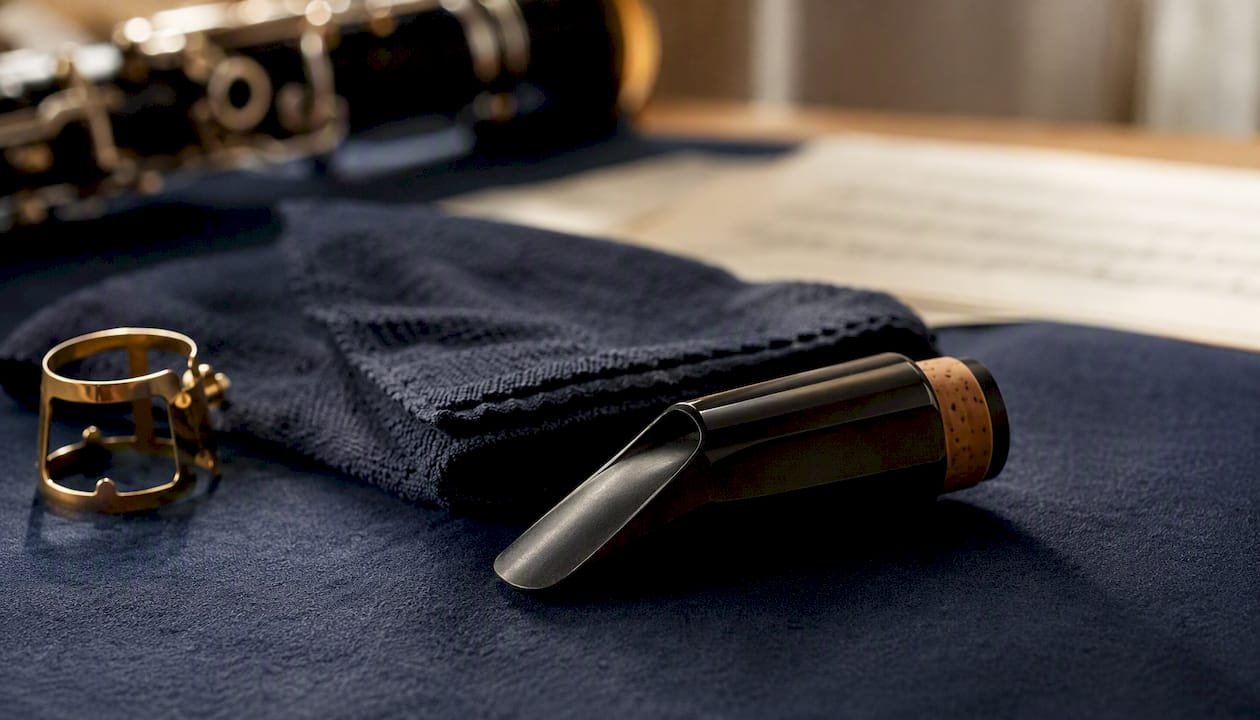
One more habit worth building: after your weekly deep clean, hold the mouthpiece up to a light source and look through the bore. Any remaining discoloration or residue is visible immediately, and you can brush again before it dries and hardens.
Sources
The recommendations throughout this article draw on the following authoritative sources:
- COVID-19 Instrument Cleaning Guidelines – NAfME
- How to clean a trumpet mouthpiece – The Pond Music
- Caring for Single-Reed Mouthpieces – The Instrumentalist
- What is the best way to clean a mouthpiece? – Harrison/Wedge Mouthpieces Inc.
- Cleaning Your Clarinet Mouthpiece: Full Cleaning In Under 20 Minutes – Clean My Instrument
For clarinet-specific care guidance and mouthpiece resources, visit Myclarinetstuff: