


David Shifrin is one of the most influential American clarinetists of the past half century, a Yale professor and career chamber musician whose “bel canto” approach to phrasing has shaped how a generation of players thinks about tone. He built that reputation across multiple fronts at once: a long faculty tenure, artistic leadership at two major chamber music institutions, principal chairs in symphony orchestras, and a discography that includes a Record of the Year selection.
For clarinet students and teachers, the useful facts cluster around a handful of names and roles. Here is the fastest way to know why he matters:
- Faculty role: Longtime professor at Yale School of Music, where he also directs the Oneppo Chamber Music Series and Yale in New York.
- Artistic direction: Held leadership posts at the Chamber Music Society of Lincoln Center (CMS) and Chamber Music Northwest.
- Orchestral pedigree: Former principal clarinet with the Cleveland Orchestra and the American Symphony Orchestra.
- Signature recording: A 1985 Mozart basset clarinet recording named Record of the Year by Stereo Review.
- Major honors: Recipient of the Avery Fisher Career Grant and the Avery Fisher Prize.
Key Takeaways
David Shifrin’s career demonstrates that sustained influence in classical music comes from combining performance, teaching, curatorial leadership, and commissioning work rather than specializing in just one.
| Point | Details |
|---|---|
| Who he is | A Yale faculty clarinetist, former orchestral principal, and chamber music artistic director |
| Where to start listening | His 1985 Mozart basset clarinet recording, named Record of the Year by Stereo Review |
| Pedagogical takeaway | The bel canto approach prioritizes vocal-like phrasing and breath over technical display alone |
| Gear note | He plays Backun clarinets with Légère synthetic reeds for consistent response |
| Where to find resources | Yale’s Oneppo Series, CMS listings, and Myclarinetstuff’s mouthpiece guides for equipment testing |
Table of Contents
- Who Is David Shifrin and What Made His Clarinet Career?
- Which Recordings and Performances Define His Reputation?
- How Does David Shifrin’s “Bel Canto” Teaching Approach Work?
- What Instruments and Reeds Does David Shifrin Play?
- What Awards Has David Shifrin Won?
- Where Does the Clarinet Sit in an Orchestra?
- Where Can You Hear David Shifrin’s Recordings Today?
- What Resources Help Players Apply Shifrin’s Approach?
- Why Shifrin’s Career Model Still Matters for Students
- Find Your Own Consistent Tone
- Sources
Who Is David Shifrin and What Made His Clarinet Career?
Shifrin’s path runs through nearly every kind of professional clarinet job that exists, which is part of what makes him worth studying. Most soloists specialize in one lane: orchestral, chamber, or teaching. Shifrin built a career by refusing to pick just one.
He moved from orchestral principal chairs into full-time chamber music and academic leadership, a trajectory that reflects a broader shift in how top-tier classical careers get built now. Performance alone rarely sustains a career at his level anymore. Curating programs, commissioning new works, and holding a conservatory post have become just as central, and Shifrin’s résumé is a working model of that combination.
| Period / Milestone | Role or Achievement |
|---|---|
| Early career | Trained as a clarinetist and began building an orchestral and chamber résumé |
| Orchestral posts | Principal clarinet, Cleveland Orchestra and American Symphony Orchestra |
| Chamber leadership | Artistic Director roles at CMS and Chamber Music Northwest |
| Academic appointments | Faculty positions at Juilliard, USC, University of Michigan, and Cleveland Institute of Music |
| Ongoing | Yale School of Music faculty; Artistic Director, Oneppo Chamber Music Series and Yale in New York |
A few years stand out as genuine turning points. His appointment to lead programming at Chamber Music Northwest gave him a Pacific Northwest platform to commission new works annually. His years steering artistic direction at CMS put him at the center of New York’s chamber music scene. And his long-running Yale post, still active, anchors a teaching career that has shaped clarinetists well beyond the conservatory’s walls.
Which Recordings and Performances Define His Reputation?
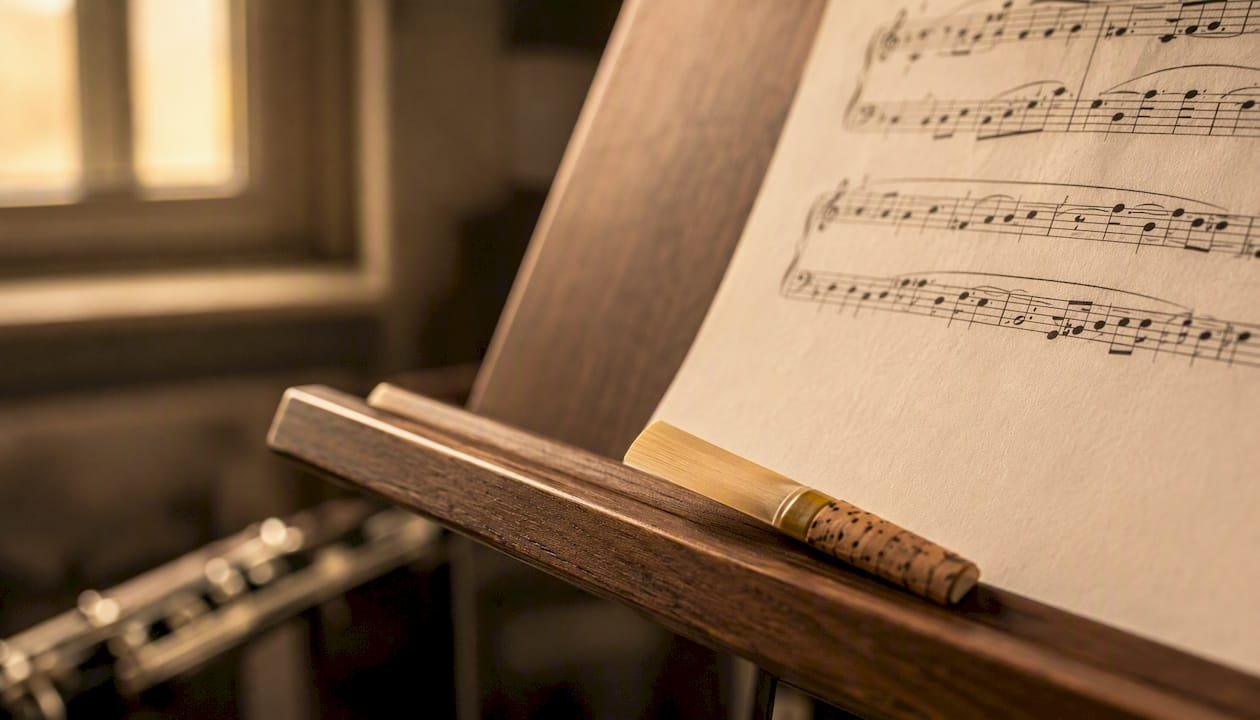
Shifrin’s discography favors repertoire that rewards a singing tone: Mozart, Copland, Nielsen, and a steady stream of contemporary commissions. His recordings appear across Delos, Deutsche Grammophon, Angel/EMI, and Sony, a spread that reflects decades of consistent studio and label relationships rather than a one-off breakout.
| Recording / Focus | Why It Matters |
|---|---|
| Mozart Clarinet Concerto on basset clarinet (1985) | Named Record of the Year by Stereo Review |
| Selected chamber recordings | Multiple Grammy nomination recognition over his catalog |
| A Shifrin recording preserved by the Library of Congress National Recording Registry | Marks a recording judged historically or aesthetically significant |
| Contemporary commissioned works | Expands the standard repertoire beyond the classical and romantic core |
Live, he has appeared in the venues that define an American concert career: Carnegie Hall, Lincoln Center’s chamber halls, and the Library of Congress concert series, alongside major U.S. orchestras and international festival stages. That combination of hall and repertoire matters because it shows a soloist trusted with both blockbuster concerto nights and the more exposed, intimate demands of chamber programs. Few clarinetists get invited into both worlds as consistently.
His commitment to living composers runs deep. He has commissioned and premiered works by John Adams, John Corigliano, and Ellen Taaffe Zwilich, which means a meaningful slice of the modern clarinet repertoire exists because he asked for it.
How Does David Shifrin’s “Bel Canto” Teaching Approach Work?
Shifrin has taught at Juilliard, USC, the University of Michigan, and the Cleveland Institute of Music, but his longest and most defining post is at Yale, where he still teaches graduate clarinetists. That kind of faculty depth, across five major conservatories over a career, is rare, and it means his pedagogical fingerprints show up in orchestras and studios across the country.
The core of his teaching is what’s often called the bel canto approach: treating the clarinet line the way a great singer treats a vocal line, prioritizing breath, connection between notes, and expressive shape over raw technical display. His official artist site frames tonal beauty and vocal-like phrasing as the priority, not an afterthought layered on top of technique.
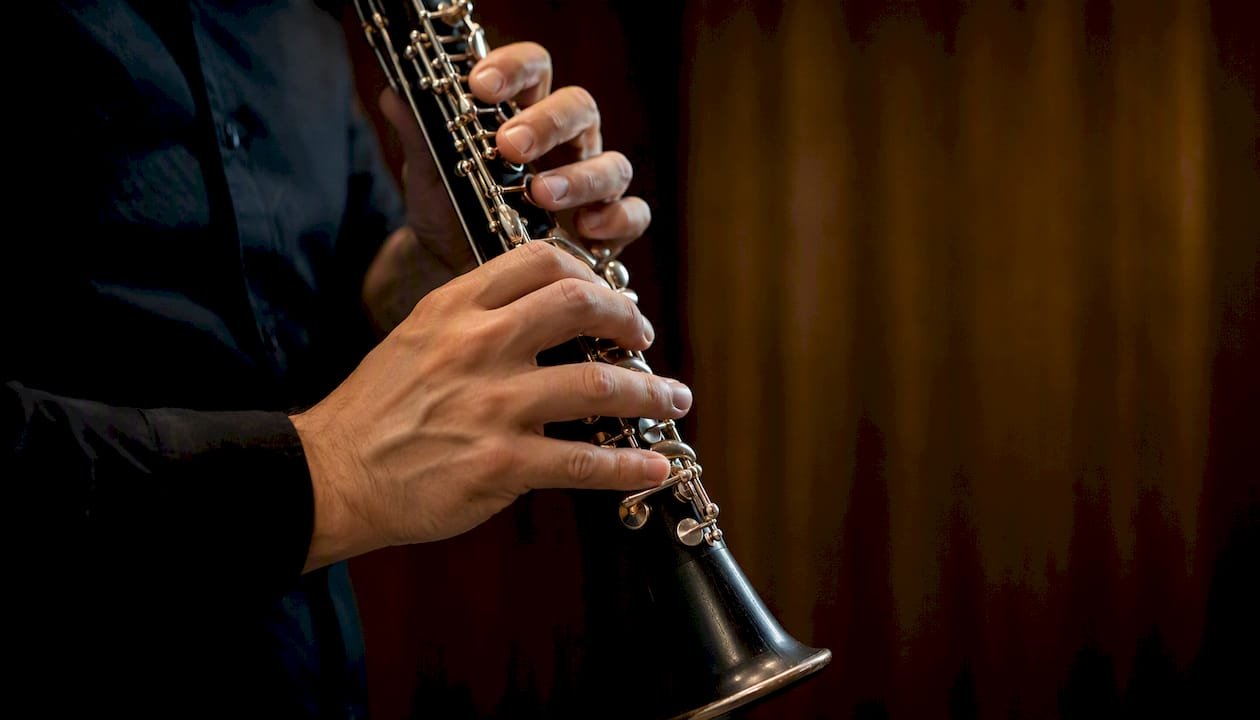
Practically, that reorders what a student practices first. Instead of drilling scales and articulation studies as the main event, a bel canto approach asks you to sing a phrase before you play it, matching breath points to musical sentences rather than to convenient rest marks in the score.
Pro Tip: Pick a slow lyrical excerpt, from a Brahms sonata movement or the Mozart concerto’s second movement, and sing it out loud before you play it. Note exactly where you naturally breathe. Then play the passage using those same breath points instead of the ones printed in the part.
Shifrin is widely regarded as an exponent of the bel canto school of clarinet playing, with tonal beauty and vocal-like phrasing treated as central pedagogical goals rather than secondary polish.
What Instruments and Reeds Does David Shifrin Play?
Shifrin performs on clarinets built by Morrie Backun of Backun Musical Services, paired with Légère synthetic reeds. That equipment pairing tells you something specific about his priorities: consistency and reliable response across long performance seasons matter more to him than chasing the unpredictable variability of a cane reed batch.
A few implications worth noting for anyone testing gear of their own:
- Synthetic reeds like Légère hold their response from rehearsal to concert without the day-to-day swelling and warping that cane reeds experience.
- A custom-built clarinet from a maker like Backun allows fine-tuned adjustments to bore and tone hole placement that stock instruments don’t offer.
- Students chasing a Shifrin-style tone should test gear for consistency across a full rehearsal, not just a five-minute trial in a quiet room.
His use of a basset clarinet for the Mozart concerto recording is worth flagging separately. The basset clarinet extends the instrument’s lower range and restores notes Mozart actually wrote for Anton Stadler’s extended-range instrument, notes that get transposed or cut on a standard clarinet. Choosing that instrument for a landmark recording signals a commitment to historical accuracy over convenience.
What Awards Has David Shifrin Won?
Institutional recognition tends to lag behind actual influence, but Shifrin’s honors track closely with the milestones in his career. He received the Avery Fisher Career Grant and, later, the Avery Fisher Prize, one of American classical music’s most significant individual honors and a recognition typically reserved for instrumentalists who have already built a sustained, influential career rather than an emerging one.
His recorded work has drawn multiple Grammy nomination recognitions, and one of his recordings earned a place in the Library of Congress National Recording Registry, a distinction given to recordings judged culturally, historically, or aesthetically significant enough to preserve permanently. Add the 1985 Stereo Review Record of the Year selection for his Mozart basset clarinet recording, and the pattern is clear: critics and institutions recognized his work at nearly every stage of his career, not just at its peak.
Where Does the Clarinet Sit in an Orchestra?
The clarinet belongs to the woodwind section, seated typically between the oboes and bassoons, and most full orchestras use two to three clarinetists per program. Larger romantic and modern scores often call for doubling, with one clarinetist switching to E-flat clarinet for brighter, piercing passages and another moving to bass clarinet for the lower, darker register.
- Standard woodwind section: flutes, oboes, clarinets, and bassoons, usually two of each in a full-size orchestra.
- Common doublings: clarinet to E-flat clarinet or bass clarinet, depending on the score’s demands.
- Piccolo, English horn, and contrabassoon appear as auxiliary doublings within the same family logic.
Shifrin’s own principal chairs with the Cleveland Orchestra and American Symphony Orchestra give his teaching real weight here. He isn’t describing orchestral clarinet playing from the outside. He built his early career sitting in that chair, night after night, learning exactly how a clarinet line needs to blend with strings one measure and cut through brass the next.
Where Can You Hear David Shifrin’s Recordings Today?
Shifrin’s catalog is spread across several major labels, which means no single streaming source has everything. Start broad and expect to hunt a little.
| Source Type | Why It’s Worth Checking |
|---|---|
| Major streaming platforms | Fastest way to sample his Mozart, Copland, and chamber recordings |
| Label catalogs (Delos, DG, Angel/EMI, Sony) | Original liner notes and full album context, often missing from streaming |
| Library and institutional archives | Access to historic or out-of-print recordings, including Library of Congress holdings |
| Concert series listings (CMS, Yale, Chamber Music Northwest) | Live appearance schedules and season programming |
If you want to hear him beyond the recordings, follow the institutions rather than a tour calendar. Subscribing to CMS season announcements or Yale’s Oneppo Chamber Music Series listings will surface performances he curates or appears in, often alongside younger artists he’s championing.
What Resources Help Players Apply Shifrin’s Approach?
A bel canto tone doesn’t come from reading about it. It comes from deliberate, repeated practice choices, backed by the right reference material and gear that won’t fight you along the way.
- Recorded masterclasses and interviews are worth more than method books alone for absorbing phrasing decisions in real time.
- A solid reed and mouthpiece reference, like this explainer on clarinet reed types and selection, helps you understand why certain setups favor a warmer, more vocal tone.
- Method books built around lyrical etudes, rather than purely technical studies, reinforce the same breath-first priorities Shifrin teaches.
Pro Tip: Test reeds and mouthpieces the way Shifrin tests equipment reliability: across a full 45-minute session, not a quick five-minute trial. If you want a structured way to compare options, a mouthpiece adjustment guide can help you isolate what’s actually changing your tone versus what’s just a placebo from a shiny new piece.
Why Shifrin’s Career Model Still Matters for Students
What strikes me most about Shifrin’s career isn’t any single recording or award. It’s the refusal to specialize narrowly at a time when most advice pushes young musicians toward picking one lane early. He built orchestral credibility, then chamber music leadership, then a teaching legacy, and let each one reinforce the others instead of treating them as competing paths.
Students often over-invest in technical drilling and under-invest in the listening and singing work that actually produces a distinctive tone. If you take one thing from studying Shifrin’s approach, let it be this: record yourself playing a phrase, then sing that same phrase, then compare the two recordings honestly. The gap you hear is usually where the real practice work needs to happen, not in another hour of scales.
Find Your Own Consistent Tone
Shifrin’s tone didn’t come from one lucky mouthpiece. It came from decades of testing gear against a clear standard: does this setup let the music sing, or does it get in the way? That’s the same question worth asking before buying any mouthpiece or reed setup, and it’s exactly what Myclarinetstuff’s mouthpiece matchmaker is built to help answer.

Gear alone won’t replicate a bel canto sound. Phrasing, breath control, and daily practice habits matter more than any single piece of equipment, and no mouthpiece substitutes for that work. But if inconsistent response is fighting your progress, a CNC-crafted synthetic mouthpiece removes one variable from the equation. Explore the mouthpiece selection tips guide, then check the test box program to try a Gleichweit mouthpiece at home before committing.